

A Guide for Property Owners
If you are planning a remodel, addition, new construction project, or commercial renovation, you may be wondering: what does a general contractor do?
A general contractor manages and coordinates the many moving parts required to take a construction project from planning through completion. Depending on the project and contract, that can include coordinating subcontractors and trades, managing the construction schedule, overseeing work on site, sourcing materials, coordinating permits and inspections, communicating with the property owner, and documenting changes to the agreed scope.
In practical terms, the general contractor serves as a central point of coordination. Rather than leaving a property owner to independently manage carpenters, electricians, plumbers, suppliers, inspectors, deliveries, and dozens of project decisions, the general contractor helps organize those pieces into a coordinated construction process.
Understanding those responsibilities can help you set realistic expectations and evaluate potential contractors before work begins.
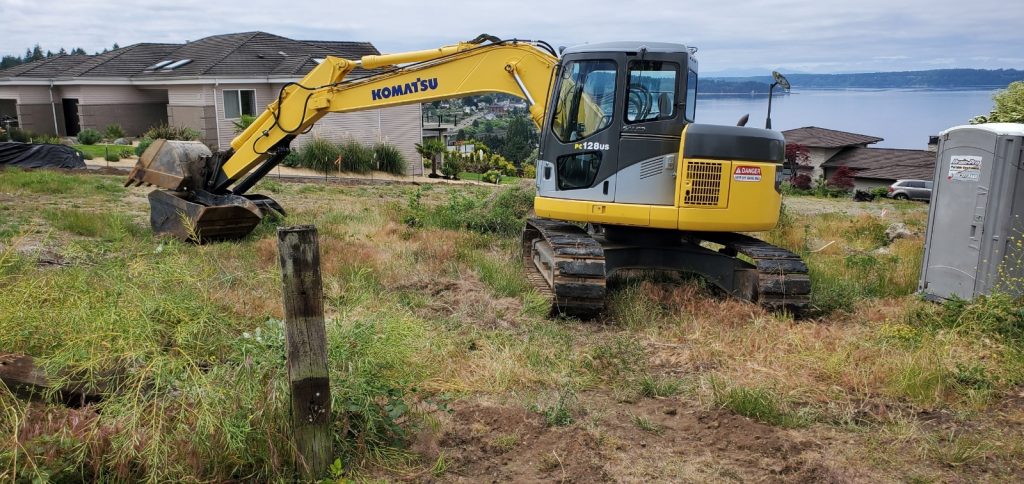
What Is a General Contractor?
A general contractor is a construction professional or company responsible for managing the overall execution of a construction or remodeling project.
The exact responsibilities depend on the project’s scope and the agreement between the contractor and property owner. A residential general contractor might oversee a kitchen remodel, whole-home renovation, addition, or custom home. A commercial general contractor may coordinate tenant improvements, renovations, or new construction.
The contractor does not necessarily perform every task with its own employees. Some work may be completed by an in-house construction team, while specialized trades such as electrical, plumbing, or HVAC may be performed by appropriately qualified subcontractors.
The important part is coordination: someone needs to understand how the different phases, trades, materials, decisions, inspections, and deadlines affect one another.

What Does a General Contractor Do During a Construction Project?
General contractor responsibilities extend well beyond performing physical construction. While services vary by contractor and contract, several responsibilities are common to professionally managed projects.
1. Helps Plan the Project Before Construction
Good project management begins before demolition or construction starts.
During preconstruction, a general contractor may review the proposed scope, drawings, existing conditions, preliminary budget, material selections, permitting needs, and other factors that could affect construction.
This early planning can help identify unanswered questions before they become problems in the field.
Depending on the project, this stage may involve coordination with architects, engineers, designers, suppliers, or specialty trades. Some projects require significantly more preconstruction work than others, particularly when they involve structural modifications, complicated existing conditions, additions, or commercial spaces.
2. Coordinates Subcontractors and Trades
Most construction projects involve multiple trades.
A remodeling contractor might need to coordinate demolition, framing, drywall, painting, flooring, cabinetry, plumbing, electrical, HVAC, finish carpentry, and other specialty work.
These activities must happen in an appropriate sequence. One trade may need to finish before another can begin, and a delay in one area can affect work scheduled afterward.
A general contractor helps determine when each trade is needed, coordinates access to the project, communicates relevant scope information, and keeps the different parts of the job moving together.
3. Manages the Construction Schedule
Construction schedules involve more than assigning a start and completion date.
A general contractor typically organizes the project into phases and coordinates labor, subcontractors, inspections, material deliveries, and other activities around those phases.
Schedules can change for legitimate reasons. Material lead times, owner decisions, approved scope changes, inspections, concealed existing conditions, trade availability, engineering needs, or weather can affect the sequence or duration of work.
For that reason, a responsible construction schedule should be treated as a planning and management tool rather than an unconditional promise.
4. Oversees Work on the Jobsite
Another important general contractor responsibility is overseeing construction as the project progresses.
That can involve monitoring completed work against the agreed plans and scope, coordinating crews, addressing field questions, managing site logistics, and determining what needs to happen next.
Construction frequently requires decisions between phases. A general contractor helps connect the plans and specifications with actual conditions in the field and coordinates with the appropriate professionals when specialized design, engineering, or regulated trade expertise is required.
5. Coordinates Materials and Deliveries
Materials can have a major effect on both the construction sequence and schedule.
Depending on the contract, general contractor services may include ordering materials, coordinating deliveries, communicating with suppliers, tracking lead times, and making sure required products are available when crews need them.
This becomes especially important with products that require advance ordering or coordination with other components of the project.
Property owners should confirm before signing a contract who is responsible for purchasing each material, which selections are owner-provided, what allowances may apply, and when decisions need to be finalized.
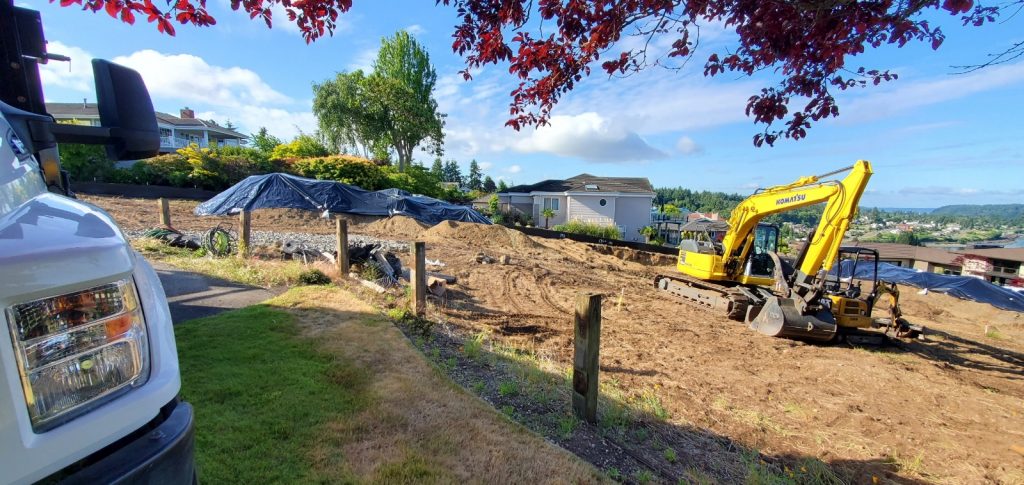
Does a General Contractor Handle Permits and Inspections?
A general contractor may coordinate permits and inspections when those responsibilities are included in the project agreement.
Exactly what permits are required depends on the location and scope of the work.
For projects in Tacoma, for example, the City of Tacoma provides separate permitting resources for residential, commercial, site development, right-of-way, utility connection, and land-use needs. Residential alteration permits can apply to work such as remodels and additions, while commercial projects have their own review requirements.
A contractor may help coordinate applications, required project information, inspection scheduling, and responses related to construction. Architects, engineers, specialty contractors, or property owners may also have responsibilities depending on the project and jurisdiction.
Permit requirements should therefore be verified for the specific property and proposed scope rather than assumed from another project.
How Does a General Contractor Handle Changes and Unforeseen Conditions?
Even with careful planning, construction can reveal information that was not visible beforehand.
This is particularly relevant during remodeling. Opening walls, floors, or ceilings can expose concealed conditions that were impossible to fully evaluate before demolition.
Owners may also decide to modify finishes, layouts, materials, or other parts of the agreed scope during construction.
A clear change-management process helps everyone understand what is changing and why. Changes should generally be documented in writing, including the revised scope and, when applicable, the effect on cost or schedule.
Unforeseen conditions may require additional investigation or input from an architect, engineer, specialty contractor, environmental professional, or local authority. A general contractor can help coordinate that process, but specialized conclusions should be made by the appropriately qualified professional when required.
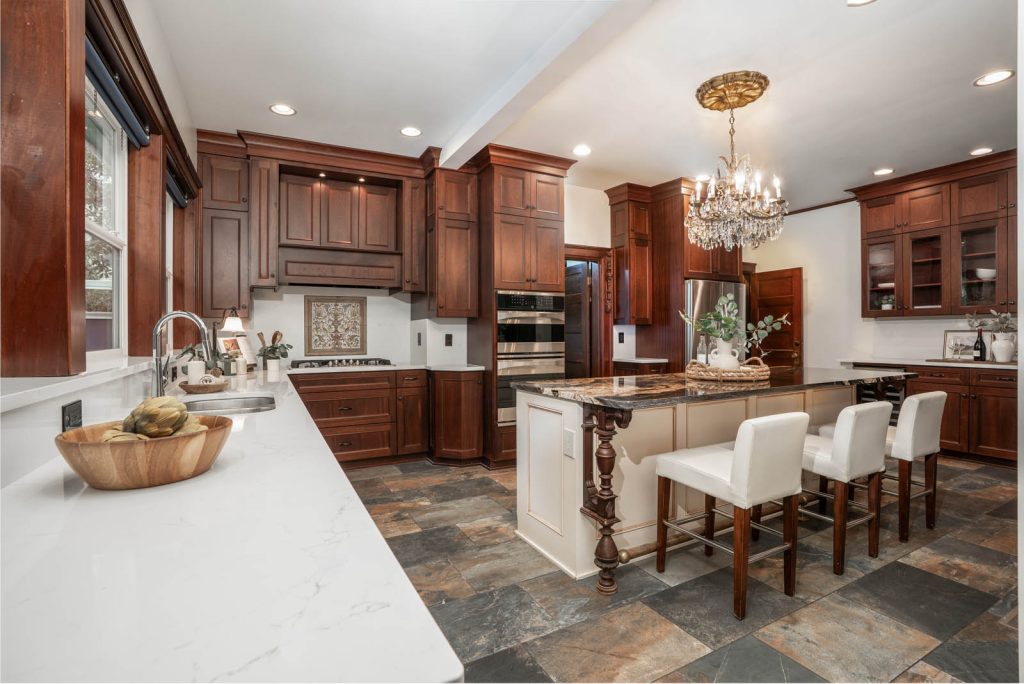
Communication Is a Major Part of a General Contractor’s Job
Construction creates a steady flow of information.
Owners may need updates about schedule changes, material selections, inspections, unforeseen conditions, costs, or decisions that could affect upcoming work. Subcontractors need accurate scope information and scheduling. Suppliers need delivery details. Designers or engineers may need to answer field questions.
A general contractor helps keep that information organized.
Before hiring a contractor, ask how communication will work throughout the project. It is useful to know:
- Who will be your primary point of contact?
- How often will project updates be provided?
- How are selections and approvals documented?
- How will potential cost or schedule changes be communicated?
- What happens when an unforeseen condition is discovered?
- Who is responsible for coordinating subcontractors, inspections, and suppliers?
Clear answers to these questions can tell you a great deal about how the project will be managed.
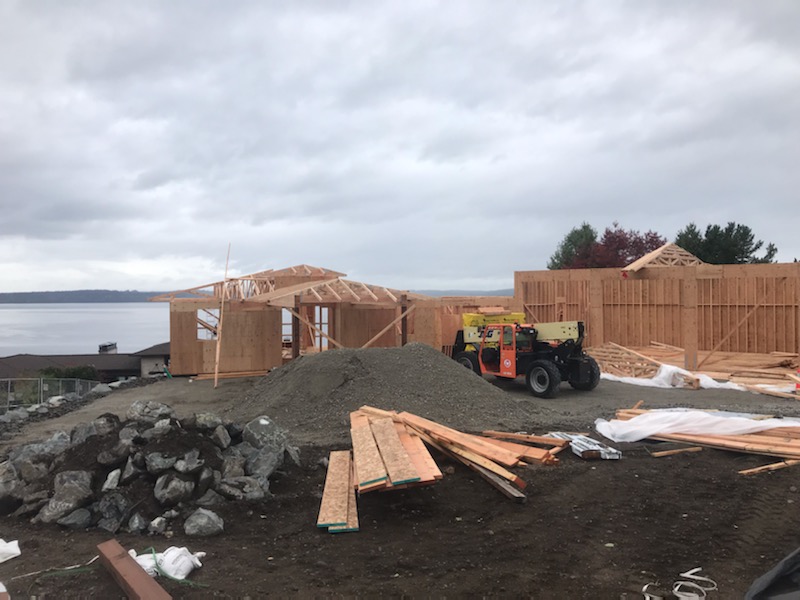
What Should You Look for When Choosing a General Contractor?
Choosing a contractor should involve more than comparing the bottom-line price on an estimate.
Start by evaluating whether the contractor has relevant experience for the type and complexity of project you are planning. A contractor who primarily performs small cosmetic updates, for example, may operate differently from one experienced with whole-home renovations, structural work, custom construction, or commercial tenant improvements.
Also review the proposed scope carefully. A detailed estimate or proposal should make it easier to understand what is included, what is excluded, where allowances apply, and which responsibilities remain with the owner.
Consider asking potential contractors about:
- Licensing, bonding, and insurance
- Experience with comparable project types
- Preconstruction and planning procedures
- Who will manage the project
- Subcontractor and trade coordination
- Permitting and inspection responsibilities
- Scheduling and progress updates
- Material procurement
- Change-order procedures
- How unforeseen conditions are addressed
- References or relevant project examples, when available
The goal is not simply to find someone who can perform construction. It is to understand how the contractor will manage your particular project.
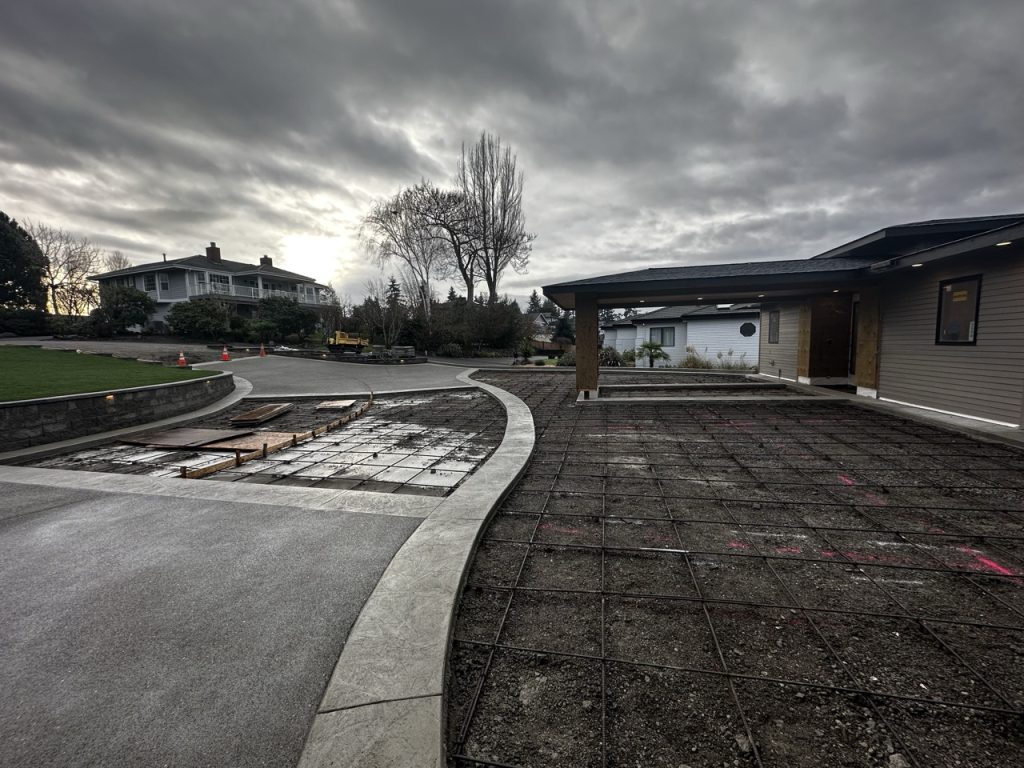
Working With a General Contractor in Tacoma, WA
Local experience can also matter when planning construction in Tacoma and the surrounding Puget Sound area.
Permitting requirements vary based on project type and scope, and the City of Tacoma maintains separate resources for residential and commercial projects. Permit review timing can also vary depending on factors such as application completeness, project complexity, permit type, and the number of review cycles required.
That makes permitting one of several variables worth considering during preconstruction rather than waiting until the desired construction start date.
Transparent Construction LLC is a general contractor serving Tacoma, Gig Harbor, Bonney Lake, and surrounding areas. The company works on new builds, residential remodeling, and commercial renovations and describes its approach as emphasizing detailed pricing, upfront communication, collaboration, and coordination throughout the project.
Planning Your Next Construction Project
A capable general contractor does much more than coordinate workers on a jobsite. The role involves bringing together planning, people, materials, schedules, communication, permits, inspections, and changing field conditions so that the project can move forward according to an understood scope.
Before selecting a contractor, take time to understand exactly what services are included, how the project will be managed, and how communication, costs, schedules, and changes will be documented.
If you are planning a residential remodel, new construction project, addition, or commercial renovation in Tacoma, Gig Harbor or the surrounding area, you can explore Transparent Construction LLC’s residential and commercial construction services or contact the team to discuss your project and learn more about the planning process.
Frequently Asked Questions
What is the difference between a general contractor and a subcontractor?
A general contractor typically manages the overall construction project, while a subcontractor usually performs a specific portion of the work, such as electrical, plumbing, or HVAC. The exact responsibilities depend on the project and contractual arrangement.
Does a general contractor provide all the labor?
Not necessarily. General contractors may employ their own construction crews while also coordinating specialty subcontractors. The mix of in-house and subcontracted work varies by company and project.
Does a general contractor buy the materials?
Often, but not always. Material procurement responsibilities should be defined in the project agreement. Some materials may be contractor-provided, while others may be allowances or owner-selected and supplied.
Who is responsible for construction permits?
Responsibility varies by project, jurisdiction, and contract. A general contractor may coordinate permits and inspections, but architects, engineers, specialty contractors, or owners may also have responsibilities. Confirm this before construction begins.
Can a general contractor guarantee the construction schedule?
Construction schedules can be carefully planned and managed, but variables such as permitting, material lead times, inspections, existing conditions, approved changes, owner decisions, trade coordination, and weather can affect timing. Ask how the contractor builds, updates, and communicates the project schedule.
When should I hire a general contractor?
It can be helpful to involve a general contractor during the planning or preconstruction stage, particularly for complex renovations, additions, custom homes, or commercial projects. Early contractor involvement can help identify construction considerations, sequencing issues, material lead times, and other variables before work begins.
Ready to Start Your Next Project?
Whether you’re planning a renovation, repair, or new construction project, our team is here to help. Contact us today to discuss your project and learn how we can bring your vision to life.