

One of the first questions homeowners and property owners ask when planning a project is: When can construction start?
The answer depends less on choosing a date on the calendar and more on whether the project is actually ready to build.
Before construction or remodeling can begin, several pieces may need to come together, including the project scope, design, engineering when required, pricing, material selections, permitting, procurement, subcontractor availability, and contractor scheduling. The size and complexity of the project also play an important role.
A responsible start date is established after these variables are understood well enough to create a realistic construction plan. Starting before the project is adequately prepared can create unnecessary uncertainty once work is underway.
At Transparent Construction LLC, preconstruction is used to identify major project phases, anticipated milestones, long-lead materials, and potential scheduling risks. Once the scope and design are sufficiently developed, a preliminary project schedule can be established and updated as decisions or conditions change.
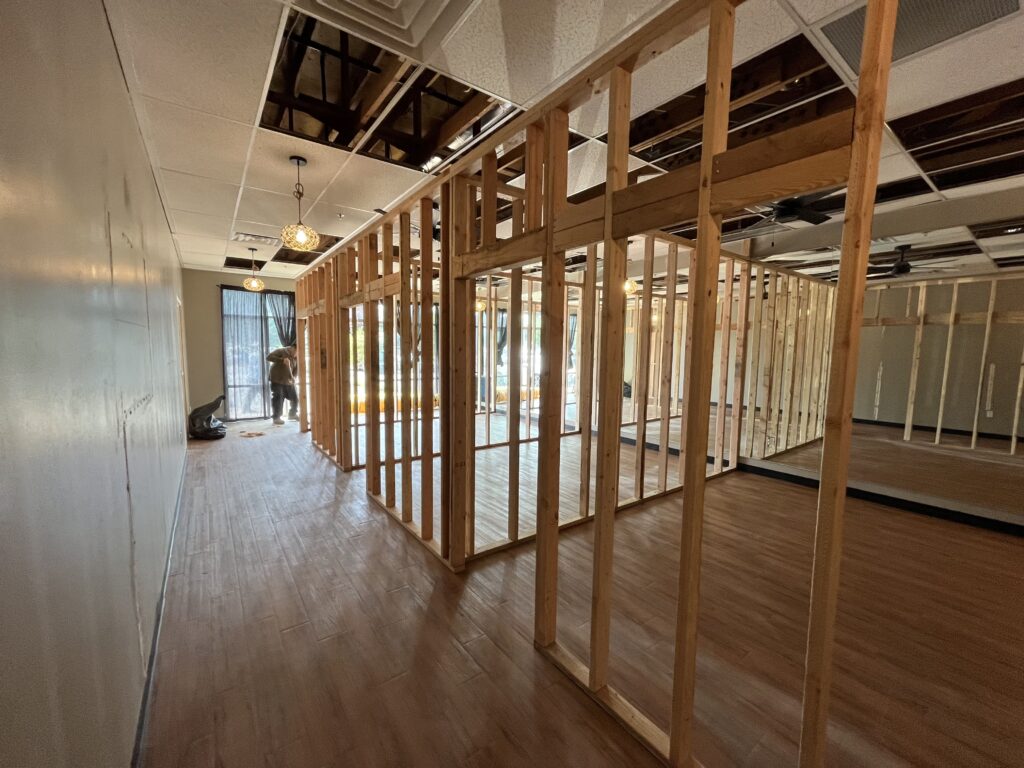
What Needs to Happen Before Construction Can Start?
The pre-construction process turns an initial project idea into something that can be estimated, permitted, scheduled, and ultimately built.
The exact steps vary by project, but several factors commonly determine when work can begin.
1. Define the Project Scope
Before developing a meaningful construction schedule, the contractor and owner need a clear understanding of what the project includes.
For a remodeling project, this might involve determining which areas of the home will change, what existing elements will remain, whether walls or systems may be modified, and what level of finishes the owner expects.
For a new home, addition, commercial renovation, or tenant improvement, the scope may be considerably more complex.
An unclear or changing scope can affect design, pricing, permitting, material orders, and scheduling. Developing the scope early helps the rest of the planning process move forward with better information.
2. Develop the Design
Construction generally should not be scheduled around a design that is still changing substantially.
Depending on the project, design development may involve architectural drawings, floor plans, finish specifications, structural details, mechanical systems, electrical planning, or other documentation.
Some projects also require input from architects, engineers, designers, or other qualified professionals.
The more complete the design becomes, the easier it is to understand what needs to be built, estimate the work, identify materials, coordinate trades, and determine whether permits or additional professional review are required.
3. Establish the Estimate and Budget
Pricing is another important part of determining when construction can start.
A contractor needs enough information about the scope, plans, materials, and site conditions to develop an appropriate estimate. If major portions of the project remain undefined, the budget and schedule may also remain uncertain.
This is why estimating and design often influence one another during preconstruction. A design decision can affect cost, while budget considerations may lead the owner and project team to revisit certain selections or parts of the scope.
Resolving major questions before work begins creates a stronger basis for scheduling the project.
4. Make Important Material and Finish Selections
Cabinetry, windows, doors, plumbing fixtures, appliances, flooring, tile, specialty products, and other materials may have different manufacturing and delivery timelines.
Waiting until construction is underway to make important selections can affect sequencing if a product is unavailable when the project reaches the stage where it is needed.
Not every item has to arrive before construction starts. However, the project team should identify long-lead materials and other schedule-sensitive selections early enough to plan around them.
Procurement is therefore not separate from construction scheduling. It is part of it.
5. Complete Required Permitting and Approvals
Depending on the scope and jurisdiction, permits may be required before certain construction work begins.
In Tacoma, for example, the City identifies repairs, remodels, additions, and certain changes to existing residential structures under its residential alteration permit process. New residential buildings use a separate permit category. Some projects may also involve plumbing, mechanical, site development, right-of-way, utility, or other permits depending on the work involved.
Permit requirements should be evaluated for the specific project and property. Owners should not assume that one remodeling project will have the same permitting requirements as another.
Permit review also needs to be incorporated into the overall project schedule. Review periods can vary based on project type, application completeness, required revisions, and the number of review cycles.
6. Confirm Contractor and Trade Availability
Even a fully designed and permitted project still needs the right people available to perform the work.
General contractors coordinate multiple resources, including their own crews, subcontractors, suppliers, inspectors, and other project participants. Availability among these groups can influence the practical start date.
For homeowners researching remodeling contractor availability in Tacoma, it can be helpful to begin conversations before the date they hope construction will start.
A contractor may be able to begin planning and preconstruction before a construction crew is available. That planning period can be used to advance design coordination, estimating, selections, permitting, and procurement so the project is better prepared when construction begins.
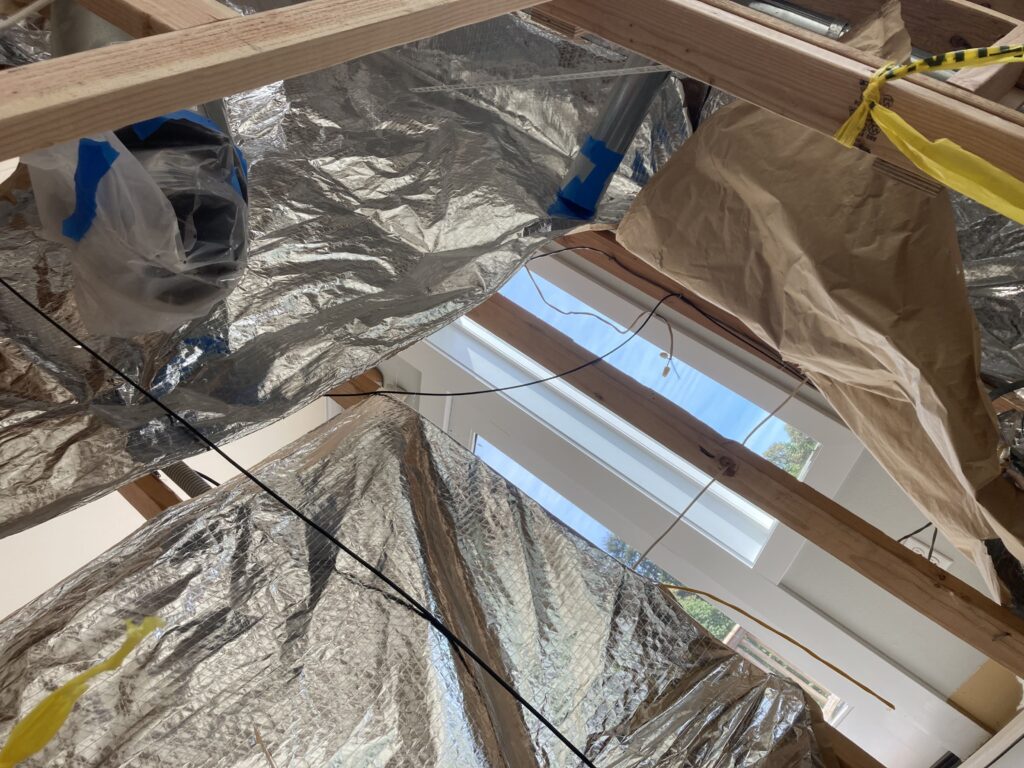
How Is a Construction Start Date Determined?
A realistic construction start date is usually the result of several schedules coming together.
The project team may need to consider:
- Scope and design readiness
- Engineering or other professional review when required
- Owner decisions and selections
- Permitting and approvals
- Material lead times
- Contractor and subcontractor availability
- Site conditions and access
- Sequencing with other active projects
- Utility or agency coordination when applicable
- Seasonal or weather-sensitive work
During preconstruction, these variables can be organized into anticipated phases and milestones.
Transparent Construction LLC’s approach is to develop a preliminary project schedule once the scope and design are sufficiently developed and update it as project conditions or decisions change.
That distinction matters. A preliminary schedule is a planning tool, not a guarantee that every activity will occur on an exact date.
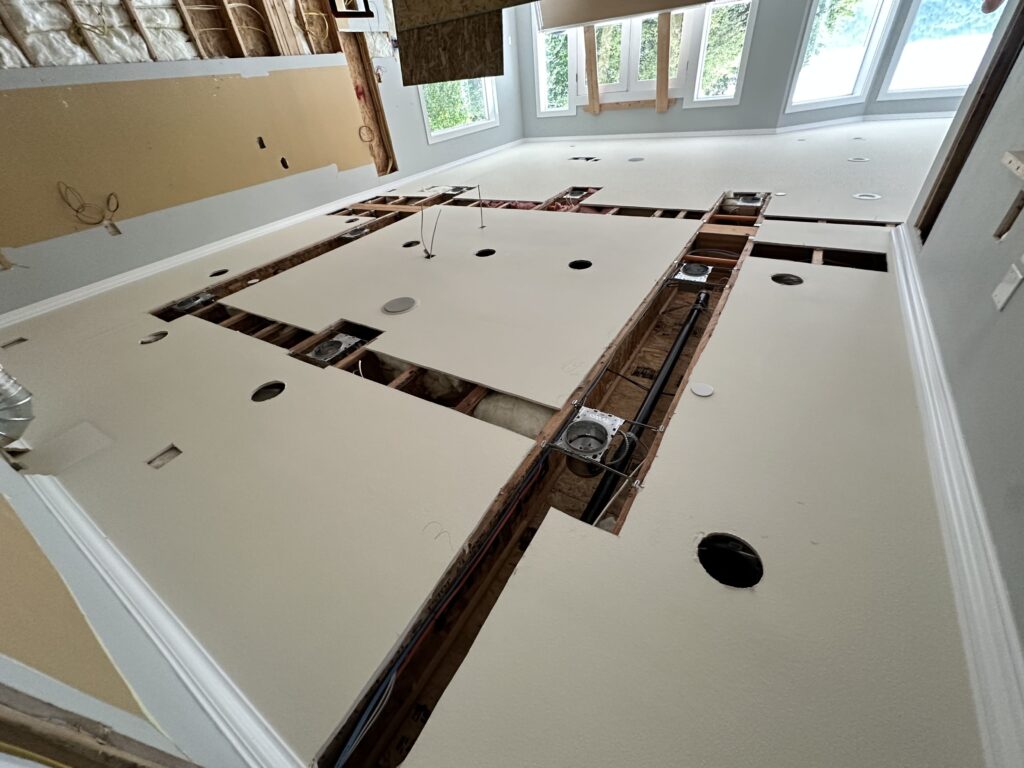
How Far in Advance Should I Plan a Home Renovation?
There is no single planning period that applies to every project.A relatively straightforward interior renovation may have fewer preconstruction requirements than a whole-home remodel, major addition, custom home, or commercial renovation.
If you are deciding when to start a home renovation, begin by working backward from when you would ideally like construction to occur. Then allow time for the project to be defined, designed, estimated, selected, permitted, and scheduled.
The more complex the project, the more important early planning becomes.
Rather than focusing only on a desired construction date, ask:
What needs to be completed before our project will be ready to start?
That question provides a much more useful basis for planning.
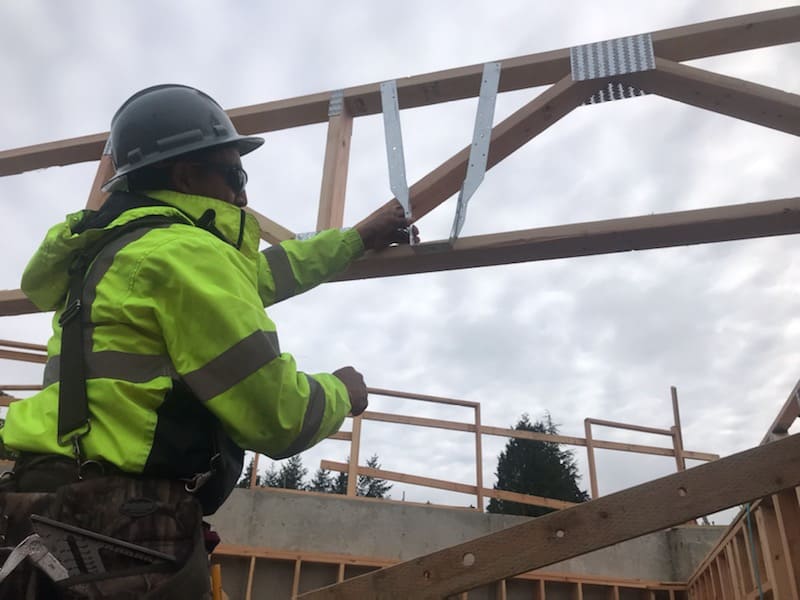
How Permitting Can Affect Construction Scheduling in Tacoma?
Permitting is one of the variables Tacoma-area property owners should consider early.
The City of Tacoma maintains different permit processes for residential remodeling, commercial, site development, right-of-way, utility connection, and land-use work. The specific requirements depend on the project.
Tacoma also publishes permit review information showing that review periods differ by permit type. Importantly, the City’s first-review figures measure the initial City review and do not include time spent waiting for applicant responses or plan revisions.
This is another reason a permit submission should not automatically be treated as a confirmed construction start date.
Complete documentation and timely responses can help the process move forward, but actual review and approval timing remains subject to the applicable authority.
What Can Delay a Construction Start?
Even with thoughtful planning, circumstances can affect the anticipated start date.
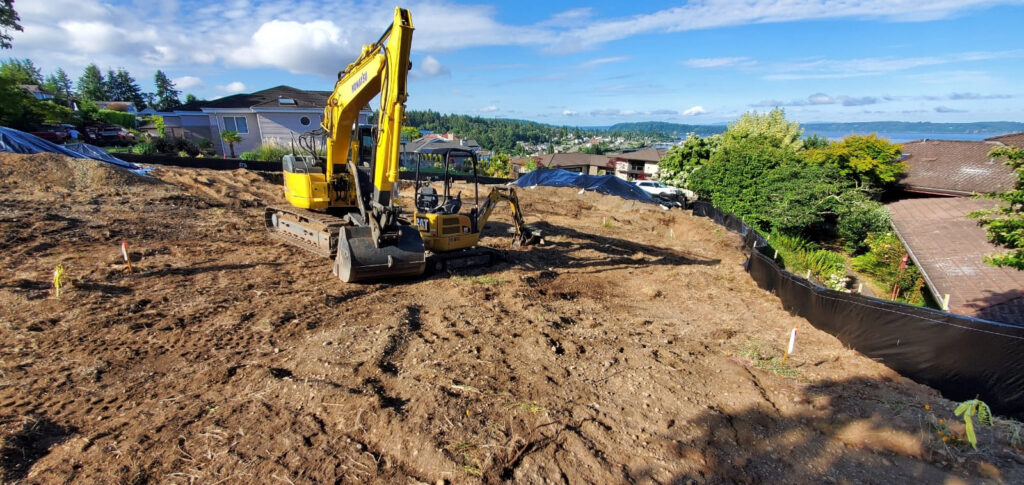
Common variables include incomplete design information, delayed owner decisions, permit review or revisions, engineering requirements, long-lead materials, subcontractor availability, site conditions, or changes in scope.
Renovations introduce another important variable: concealed conditions.
Existing buildings do not always reveal everything during initial planning. Conditions inside walls, floors, ceilings, foundations, or other concealed areas may not become apparent until portions of the structure are opened.
Transparent Construction LLC accounts for the possibility of concealed conditions when planning renovation work because some conditions cannot be confirmed before demolition or exploratory work occurs.
That does not mean every renovation will uncover a problem. It means renovation scheduling should retain enough flexibility to respond appropriately if previously hidden conditions are discovered.
A Good Start Date Is a Prepared Start Date Start?
The earliest possible construction date is not necessarily the most useful target.
A better goal is to begin when the project is sufficiently prepared for construction.
That means major questions about scope, design, budget, selections, permits, materials, and scheduling have been addressed to the level appropriate for the project.
Good preconstruction cannot eliminate every unknown. Construction and remodeling naturally involve variables, particularly when working with existing structures. But careful planning can identify many of those variables before they become field decisions.
For property owners, this creates a clearer understanding of what needs to happen next and what factors may influence the schedule.
Start Planning Before You Pick a Construction Date
So, when can construction start?
Construction can responsibly begin when the project has reached the appropriate level of readiness: the scope and design are sufficiently developed, required approvals are addressed, important materials are coordinated, and the contractor has the resources and schedule capacity to begin the work.
If you are planning a remodel, custom home, addition, or commercial construction project in Tacoma, Gig Harbor, Bonney Lake, or surrounding areas, Transparent Construction LLC can help you understand the planning and construction considerations involved in moving your project forward.
Contact Transparent Construction LLC to discuss your project and learn more about the next steps in the pre-construction process.
Frequently Asked Questions
Can a contractor give me a construction start date before the design is complete?
A contractor may be able to discuss general availability or preliminary scheduling, but a dependable project schedule usually requires enough design and scope information to understand the work, permitting requirements, procurement needs, and trade coordination involved.
Do I need a permit before remodeling starts?
It depends on the scope and jurisdiction. Some finish work may not require a residential building permit, while alterations involving structural components, plumbing, mechanical systems, additions, or other regulated work may require permits. The applicable local authority should be consulted for project-specific requirements.
How long does permitting take in Tacoma?
There is no single permit timeline for every project. Tacoma publishes different first-review targets and actual review data by permit type, and projects may require more than one review cycle. Applicant revisions and responses can add additional time beyond the City’s initial review period.
Should I order materials before construction starts?
Long-lead and schedule-sensitive materials are often identified during preconstruction so procurement can be coordinated with the project schedule. Exactly when an item should be ordered depends on the design, specifications, supplier lead time, storage considerations, and planned construction sequence.
What happens if something unexpected is found during remodeling?
Some existing conditions cannot be verified until portions of a building are opened. If concealed conditions are discovered, the project team may need to evaluate the condition, determine whether additional professional input or approvals are required, and assess how the issue affects the scope, cost, or schedule before proceeding.
When should I contact a contractor if I want to remodel?
Starting the conversation early can provide more time for scope development, design coordination, estimating, selections, permitting, procurement, and scheduling. The appropriate lead time depends on the project’s size, complexity, and readiness.
Ready to Start Your Next Project?
Whether you’re planning a renovation, repair, or new construction project, our team is here to help. Contact us today to discuss your project and learn how we can bring your vision to life.