

A construction or remodeling estimate should do more than provide a total price. A thorough estimate should help you understand what work is being proposed, what costs are included, what assumptions were used, and what may fall outside the quoted scope.
Depending on the project, a detailed remodeling estimate or construction estimate may include the scope of work, labor and materials, subcontractor costs, material allowances, project management and general conditions, equipment and site logistics, permits or professional services when included, assumptions, exclusions, contractor markup, and applicable sales tax. Transparent Construction LLC specifically identifies these as items that may be included in its estimates, depending on the project.
Understanding these details matters because two contractor estimates with similar totals may represent very different scopes of work. Before choosing a contractor based on price alone, property owners should review what each estimate actually covers and clarify anything that is unclear.
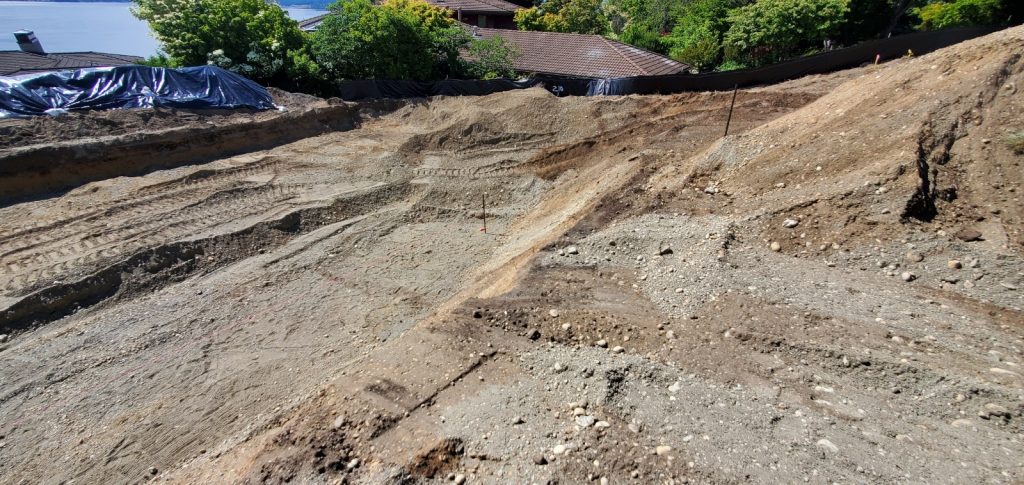
Why a Detailed Construction Estimate Matters
Whether you are planning a whole-home remodel, addition, custom home, tenant improvement, or another construction project, the estimate is an important part of early project planning.It gives you a framework for understanding how the contractor has interpreted the proposed work and how anticipated costs have been organized.
A useful contractor estimate can also help identify questions before construction begins. For example:
- Are particular materials included or carried as allowances?
- Are permits or design services included?
- What work is specifically excluded?
- What assumptions did the contractor make about existing conditions?
- Are subcontractor costs included?
- Are project management and site-related costs accounted for?
Transparent Construction LLC emphasizes clear and detailed pricing, upfront communication, and collaboration throughout its construction process.
The goal when reviewing an estimate should therefore be clarity, not simply finding the lowest number.

What Should a Remodeling Estimate Include?
The exact contents of a remodeling estimate depend on the project’s scope, design, existing conditions, and how the contractor structures its pricing. However, several components are commonly important.
1. Description and Scope of Work
The scope of work explains what the contractor is proposing to complete.
Depending on the project, it may be organized by:
- Area or room
- Construction phase
- Trade
- Type of work
For a larger renovation, for example, different sections might address demolition, framing, electrical, plumbing, finishes, or work within specific areas of the property.
The scope deserves careful attention because it establishes the basis for many of the costs that follow. A total price without enough information about the corresponding work can make estimates difficult to evaluate accurately.
2. Labor and Material Costs
Construction involves both the labor required to perform the work and the materials necessary to complete it.
Depending on how the contractor prepares the estimate, these expenses may appear individually, within categories, or as part of larger scope items.
Material selections can significantly affect the eventual construction estimate cost. Cabinets, flooring, fixtures, tile, countertops, appliances, specialty products, and finish selections can vary widely in price.
That is one reason an estimate should be reviewed in context rather than focusing exclusively on its bottom line.
3. Subcontractor Costs
General contractors frequently coordinate specialized trades or subcontractors as part of a project.
Depending on the scope, these could involve electrical, plumbing, HVAC, specialty installation, or other trade work.
Transparent Construction LLC uses an in-house team for much of its work while bringing in skilled subcontractors when needed.
A thorough estimate should make it reasonably clear how the necessary trade work is accounted for within the proposed project cost.
4. Material Allowances
An allowance is an amount included in the estimate for an item or category that may not yet have a final selection or confirmed cost.
Allowances can be particularly relevant during home construction planning or remodeling when certain finish decisions have not yet been finalized.
When reviewing an allowance, ask what it is intended to cover and whether it is reasonable for the type and quality of product you are considering.
This can make later decisions easier to understand financially. If the actual selected product costs more or less than the allowance, the project’s costs may change accordingly, subject to the terms of the contract.
5. Project Management and General Conditions
Not every construction expense is a material installed in the finished building.
Depending on the project, the estimate may include project management and general conditions associated with organizing and supporting the work.
Construction requires coordination between schedules, trades, deliveries, inspections, decisions, and site activities. These functions are part of delivering the overall project even though they may not be as visible as cabinets, flooring, or other finished components.
6. Equipment, Deliveries, Temporary Protection, and Site Logistics
The conditions surrounding the construction itself can also affect the estimate.
Depending on the project, costs may involve:
- Equipment
- Material delivery
- Temporary protection
- Access considerations
- Site logistics
These considerations can become particularly important on complex residential projects and during commercial construction planning, where access, ongoing operations, sequencing, and coordination may affect how the work must be performed.
7. Permits, Inspections, Design, and Engineering
An estimate may include certain permit, inspection, design, or engineering costs when they are specifically part of the contractor’s proposed scope.
These items should not automatically be assumed to be included.
If your project requires professional design, engineering, permitting, or other third-party services, determine which costs are included in the estimate and which will be handled separately.
Requirements vary by project and jurisdiction, so questions involving permits, engineering, structural conditions, or code compliance should be confirmed with the appropriate contractor, design professional, engineer, or governing authority as applicable.
8. Assumptions
Construction estimates are prepared using the information available at a particular stage of the project.An estimate may therefore contain assumptions about the scope, site, design, materials, access, existing conditions, or other factors.
Reviewing those assumptions can help you determine whether the contractor’s understanding of the project matches yours.
If an assumption appears incorrect or unclear, address it before signing a contract rather than waiting until construction is underway.
9. Known Exclusions
Knowing what is not included can be just as important as knowing what is included.
Exclusions identify work, materials, services, or costs that the contractor is not carrying in the estimate.
For example, if an item you expected to be part of the project appears in neither the scope nor the estimate, do not assume that it is automatically included.
Transparent Construction LLC advises that the estimate and final contract should be reviewed together and that anything not clearly included should be clarified in writing before signing.
10. Contractor Markup and Sales Tax
Depending on the project and pricing structure, an estimate may also account for applicable contractor markup and sales tax.
These costs are part of understanding the overall proposed project price and should be considered when reviewing the estimate rather than focusing only on individual labor and material line items.
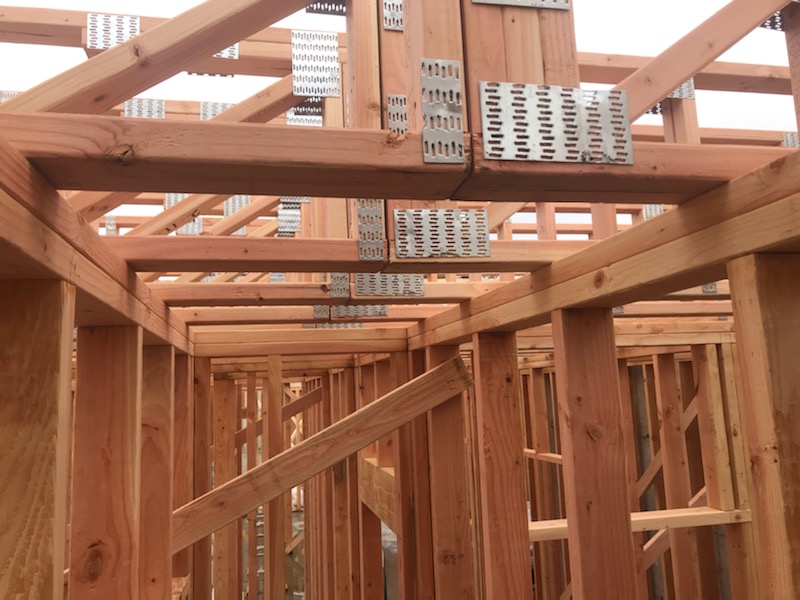
How to Compare Construction Estimates From Different Contractors
Comparing estimates solely by their final totals can be misleading.
Suppose one estimate is lower but excludes certain work, uses smaller material allowances, or does not carry a cost that another contractor has included. The difference in total price may reflect differences in scope rather than a meaningful difference in the cost of completing the same project.
Instead, compare estimates based on several factors:
- Scope: Are the contractors pricing substantially the same work?
- Allowances: Are the allowances based on comparable material expectations?
- Exclusions: Is one estimate excluding work included by another?
- Assumptions: Are both contractors working from the same understanding of the project?
- Professional and project costs: Are permitting, engineering, design, management, and similar costs handled consistently?
- Contract terms: Does the final contract align with what was presented in the estimate?
The objective is an apples-to-apples comparison wherever possible.
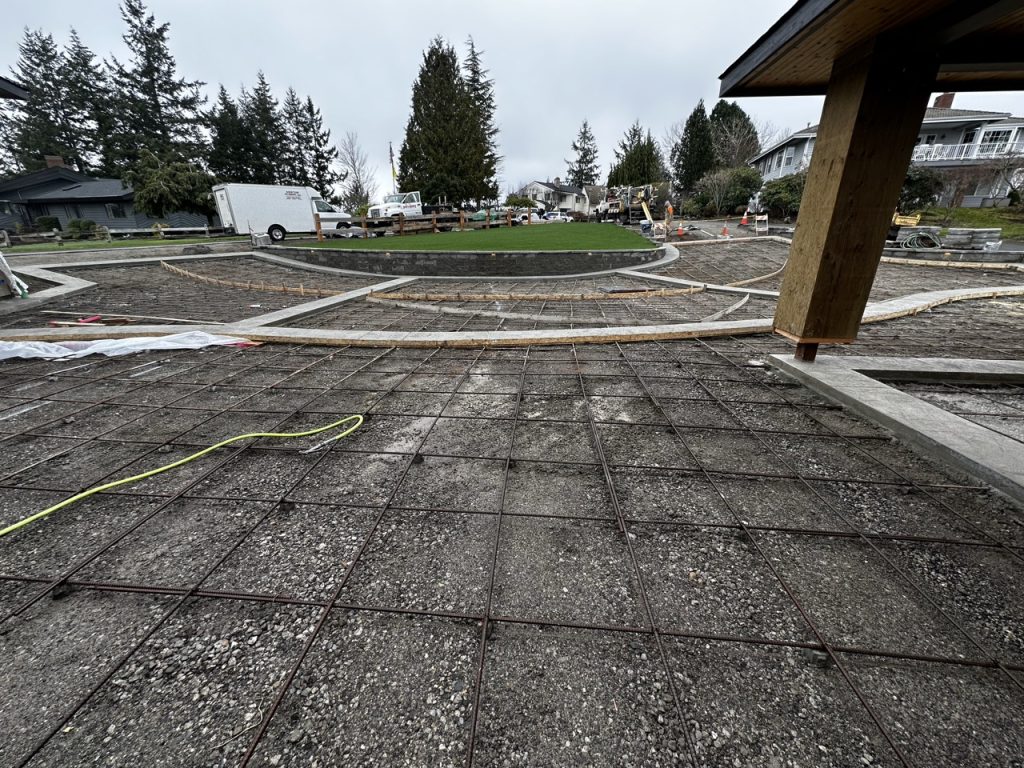
Why the Final Price Can Differ From an Initial Construction Estimate
An estimate is based on the project’s known information at the time it is prepared. Construction projects can involve variables that are difficult or impossible to fully confirm during early planning.
Depending on the project, costs may be affected by changes in scope, final material selections, existing conditions discovered during construction, design revisions, engineering requirements, site conditions, or other approved changes.
This is particularly important in remodeling because portions of an existing structure may not be fully visible until work begins.
A responsible construction estimate should therefore be viewed as part of the broader planning and contracting process rather than as a guarantee that no circumstances can affect the project’s final cost.
Questions to Ask Before Accepting a Contractor Estimate
Before signing, make sure you understand the estimate well enough to know what you are agreeing to.
Useful questions include:
- What exactly is included in the proposed scope?
- What is specifically excluded?
- Which items are allowances?
- What assumptions were used when preparing the estimate?
- Are subcontractor costs included?
- Are permits, inspections, design, or engineering included where applicable?
- How will selections that exceed or fall below allowances be handled?
- How will approved changes to the scope be documented and priced?
- Does the final contract contain the same scope and pricing assumptions discussed in the estimate?
You do not necessarily need every construction cost broken into the same format by every contractor. You do need enough clarity to understand what you are purchasing.
Understanding Your Estimate Before Construction Begins
A useful construction or remodeling estimate gives you more than a number. It provides a clearer understanding of the proposed scope, anticipated costs, allowances, assumptions, exclusions, and responsibilities that form the basis of the project.
Before comparing contractors or signing an agreement, review the estimate alongside the proposed contract and ask questions about anything that is unclear. That additional clarity can help you make a more informed decision about your project.
Transparent Construction LLC provides residential remodeling, commercial remodeling, custom home construction, and construction consulting services in Tacoma and surrounding areas. If you are planning a construction or remodeling project, you can contact Transparent Construction LLC to discuss your project and learn more about its planning and estimating process.
Frequently Asked Questions
What is the difference between a construction estimate and a contract?
A construction estimate generally describes the anticipated scope and pricing based on the information available when it is prepared. The final contract establishes the parties’ actual contractual terms. Transparent Construction LLC recommends reviewing the estimate and final contract together and clarifying anything that is not clearly included before signing.
Should labor and materials be included in a remodeling estimate?
Depending on the contractor’s pricing format and project, labor and materials may be shown separately or incorporated into broader scope categories. Transparent Construction LLC identifies labor and material costs as one of the components its estimates may include.
What are allowances in a construction estimate?
Allowances are budgeted amounts for items or categories that have not necessarily been finalized when the estimate is prepared. Homeowners should understand what each allowance covers and whether it aligns with their anticipated selections.
Why are exclusions important?
Exclusions clarify work, services, materials, or expenses that are not included in the estimate. Reviewing them helps prevent an incorrect assumption that a particular item is covered simply because it relates to the overall project.
Should I choose the contractor with the lowest estimate?
Not necessarily. First determine whether the estimates represent comparable scopes, allowances, assumptions, exclusions, and responsibilities. A lower total does not automatically mean the same project is being offered for less money.
Can a construction estimate change?
Project costs can be affected by variables such as approved scope changes, material selections, design changes, existing conditions, or other project-specific factors. The applicable contract should explain how pricing and changes will be handled.
Ready to Start Your Next Project?
Whether you’re planning a renovation, repair, or new construction project, our team is here to help. Contact us today to discuss your project and learn how we can bring your vision to life.