Table of Contents
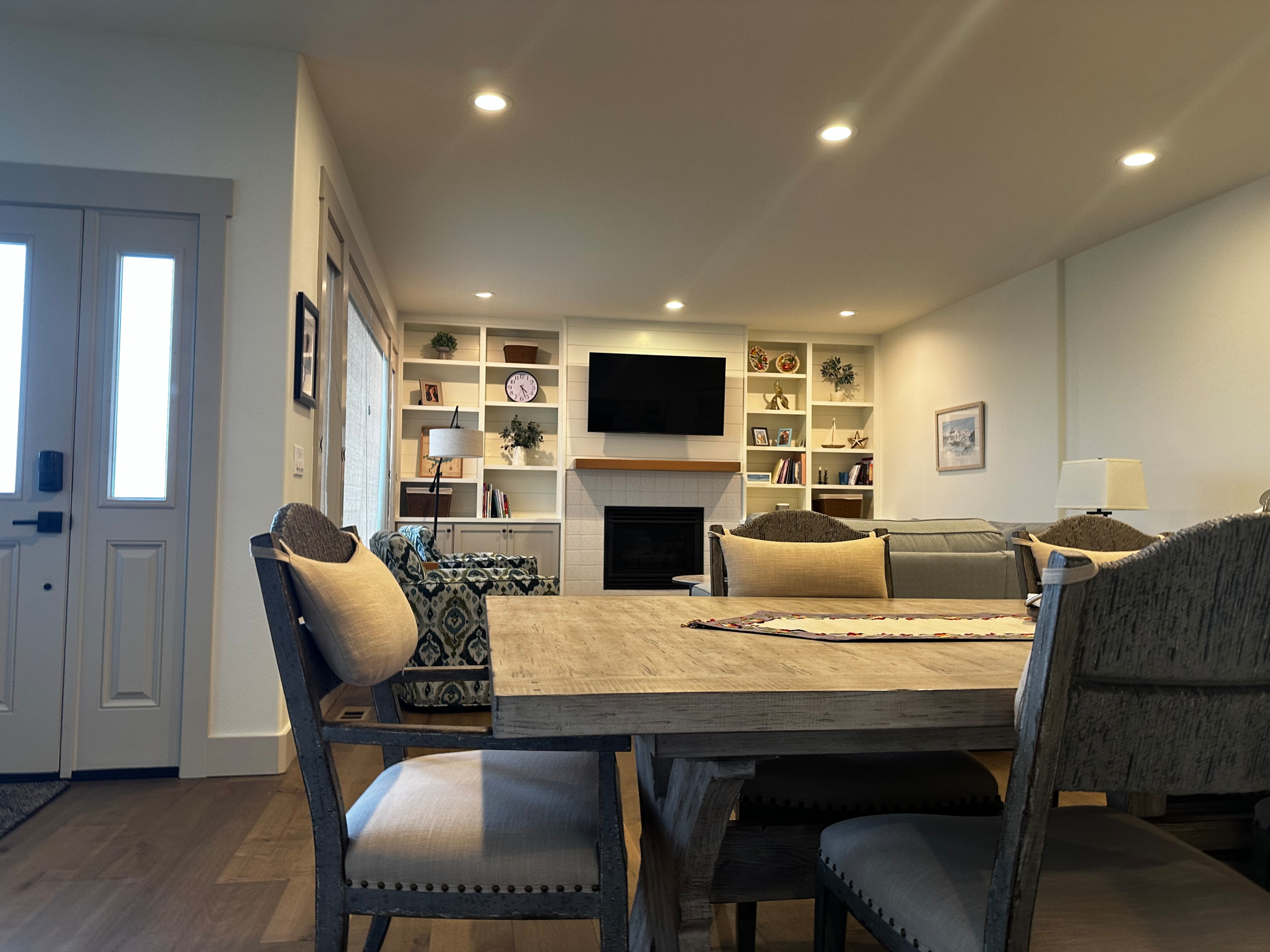
ToggleAn allowance is a set dollar amount in a construction contract for an item that has not been selected yet, such as tile, cabinets, light fixtures, or appliances. If your final choice costs more than the allowance, you pay the difference; if it costs less, you receive a credit. Clear allowances let a project be priced before every finish is chosen, but low or vague allowances are one of the most common sources of surprise costs.
How do allowances work in a construction estimate?
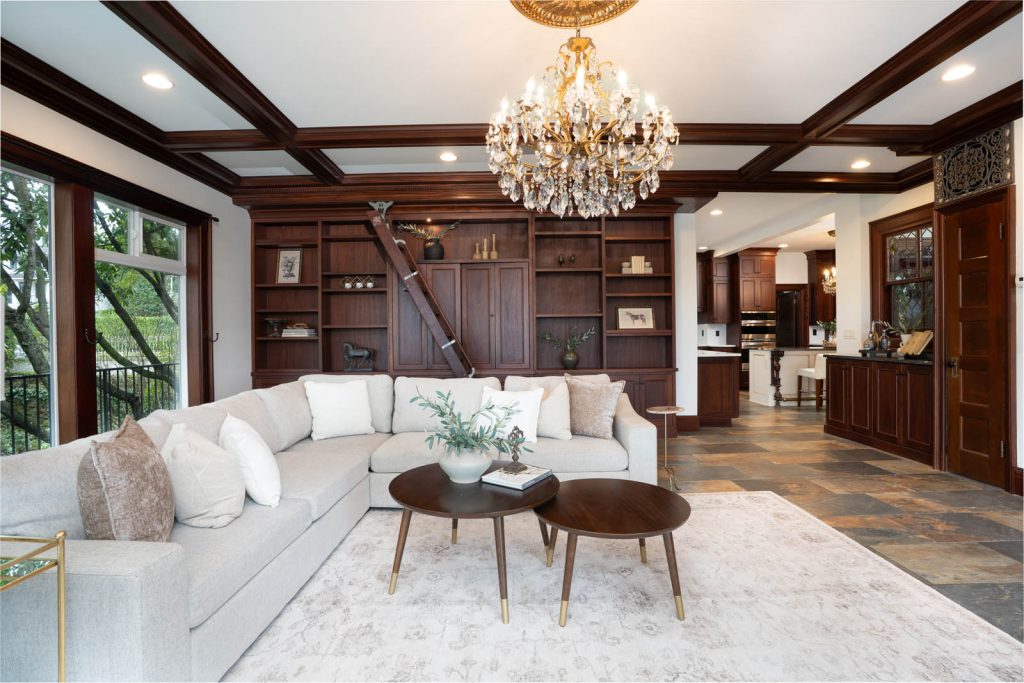
The contractor lists each allowance item with a dollar amount and states what it covers, such as material only or material plus installation. When you make your selection, the actual cost is compared to the allowance and adjusted through a change order or credit.
Our guide What Should Be Included in a Construction or Remodeling Estimate? explains how allowances fit into a complete estimate.
What items are usually covered by allowances?
Allowances usually cover finish items that owners choose during the project: cabinetry, countertops, tile, flooring, plumbing fixtures, lighting, appliances, and hardware. Some contracts also use allowances for uncertain work, such as rock excavation or repairs to concealed conditions.
Finishes make up a large share of cost. The National Association of Home Builders found interior finishes were 24.1% of new-home construction costs in 2024 (NAHB, Eye on Housing), so realistic finish allowances matter.
What is the difference between an allowance and a contingency?
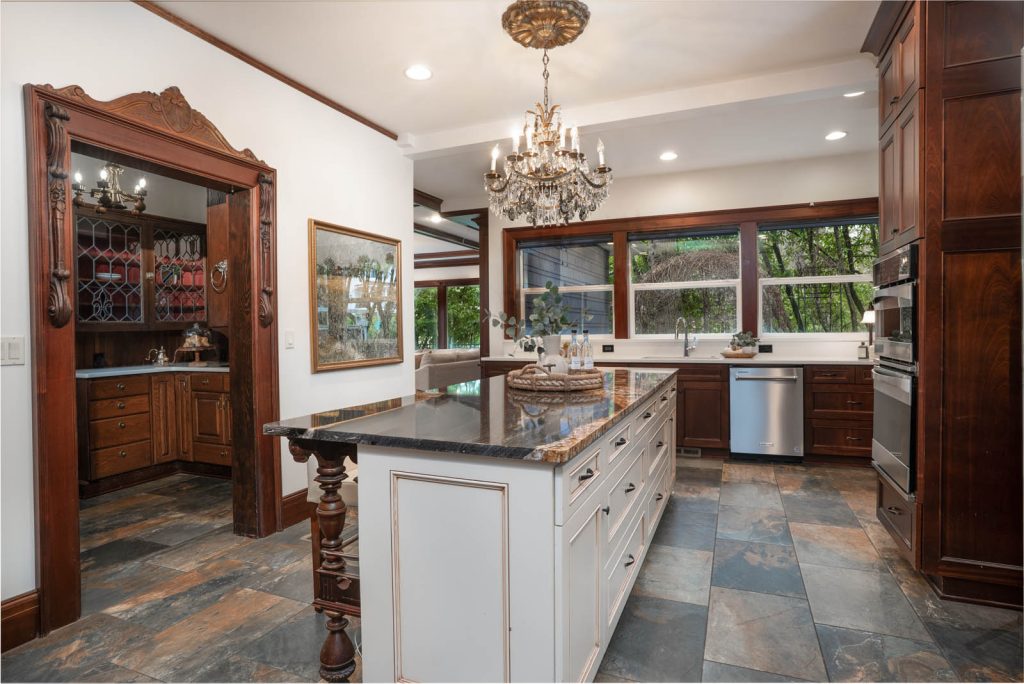
An allowance budgets for a known item whose exact choice is not yet made; a contingency is a reserve for unknown problems. Tile you have not picked is an allowance; rot found behind a wall is paid from contingency.
Both should appear in a realistic budget. For how unknowns are priced when they appear, see What Homeowners Should Expect During Construction: Change Orders and Unforeseen Conditions.
Why do low allowances cause surprise costs?
Low allowances make a bid look cheaper than it really is. If a contract sets a $5 per square foot tile allowance and the tile you want costs $12, the overage shows up later as an added cost.
When comparing bids, line up the allowances side by side. A higher bid with realistic allowances can cost less in the end than a lower bid with thin ones.
How do I set realistic allowances?
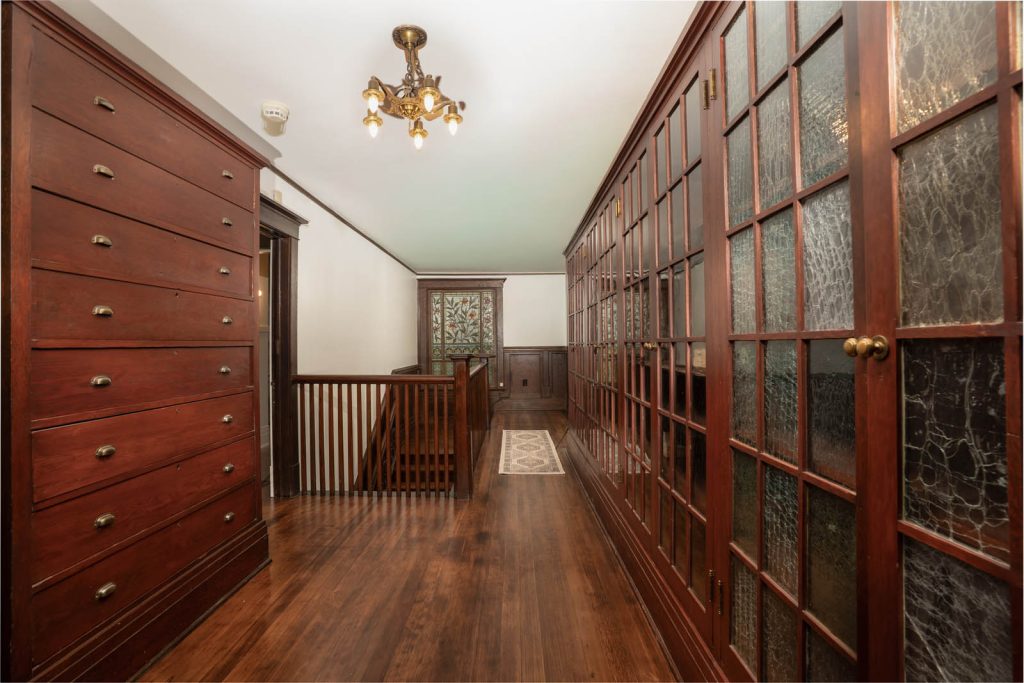
Set allowances based on the finishes you actually expect to choose, not the cheapest option. Visit showrooms or pick sample products before signing, and ask whether each allowance includes installation, tax, and delivery.
Washington requires contractors to collect sales tax on the full contract price for homeowner construction (Washington Department of Revenue), and Tacoma’s rate is 10.4% as of April 1, 2026 (KIRO 7). Confirm whether tax is inside or outside each allowance.
Allowance vs. fixed price vs. contingency: how do they compare?
| Item | Fixed price line item | Allowance | Contingency |
| Used for | Fully defined work | Known item, choice not made | Unknown conditions |
| Example | Framing per plans | Tile, fixtures, cabinets | Rot or damage behind walls |
| If cost changes | Only through a change order | Overage billed, savings credited | Drawn down as issues arise |
| Owner control | Low | High (through selections) | Low |
Ready for a clear, line-item estimate?
Transparent Construction LLC prices residential remodeling, Custom Homes, and Commercial Remodeling projects with allowances spelled out in writing, starting from a worst-case-scenario estimate. Our Pre-Construction Consulting can also review allowances in bids you already have.
Contact Transparent Construction LLC or call 253-339-6117 to schedule a consultation.
Frequently asked questions
What happens if I go over my allowance?
You pay the difference between the allowance and the actual cost, usually through a change order. Ask whether the contractor adds markup to overages.
Do I get money back if I spend less than the allowance?
Usually, yes. Most contracts credit the unused amount back to the owner.
Are allowances a red flag in a bid?
No. Allowances are normal when finishes are not yet chosen. Unrealistically low or vague allowances are the red flag.
Does an allowance include installation?
It depends on the contract. Some allowances cover material only, others include labor, tax, and delivery, so confirm in writing.
Ready to Start Your Next Project?
Whether you’re planning a renovation, repair, or new construction project, our team is here to help. Contact us today to discuss your project and learn how we can bring your vision to life.