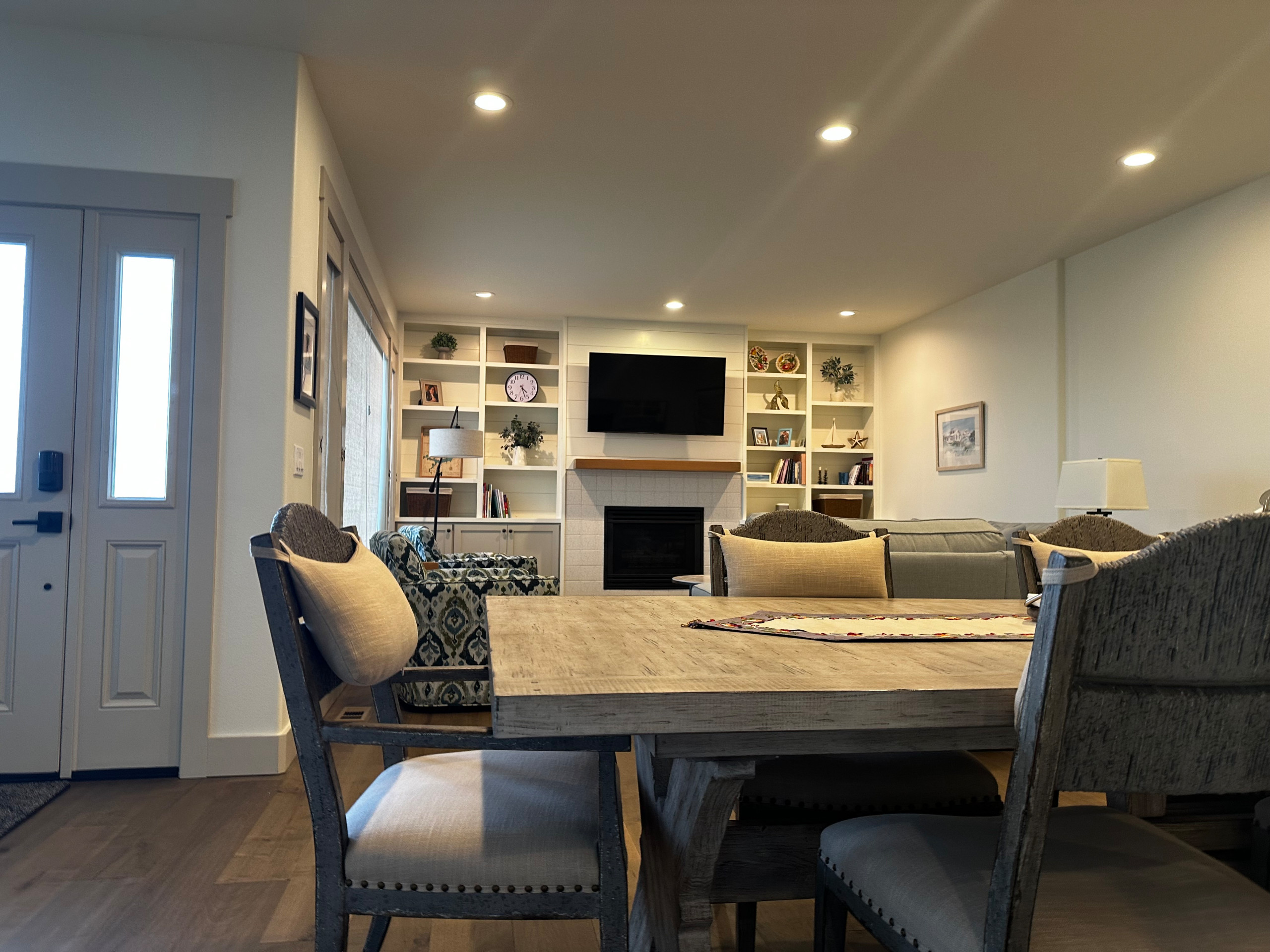

In many cases, living at home during a remodel is possible, but whether it is practical depends on the size and location of the project, how long construction will last, safety requirements, dust and noise levels, and whether essential parts of the home remain usable.
A smaller renovation contained to one area of the house may allow your household to continue living relatively normally. A whole-home renovation, major structural work, hazardous-material remediation, or a project involving prolonged utility shutdowns may make temporary relocation the safer and more practical choice.
Before construction begins, it is important to understand how the work will affect your daily routine. At Transparent Construction LLC, occupied renovations can be planned around factors such as controlled work areas, temporary barriers, dust and floor protection, utility interruptions, safe access routes, and household schedules.
The goal is to make an informed decision before construction starts rather than discovering halfway through the project that remaining in the home is more disruptive than expected.
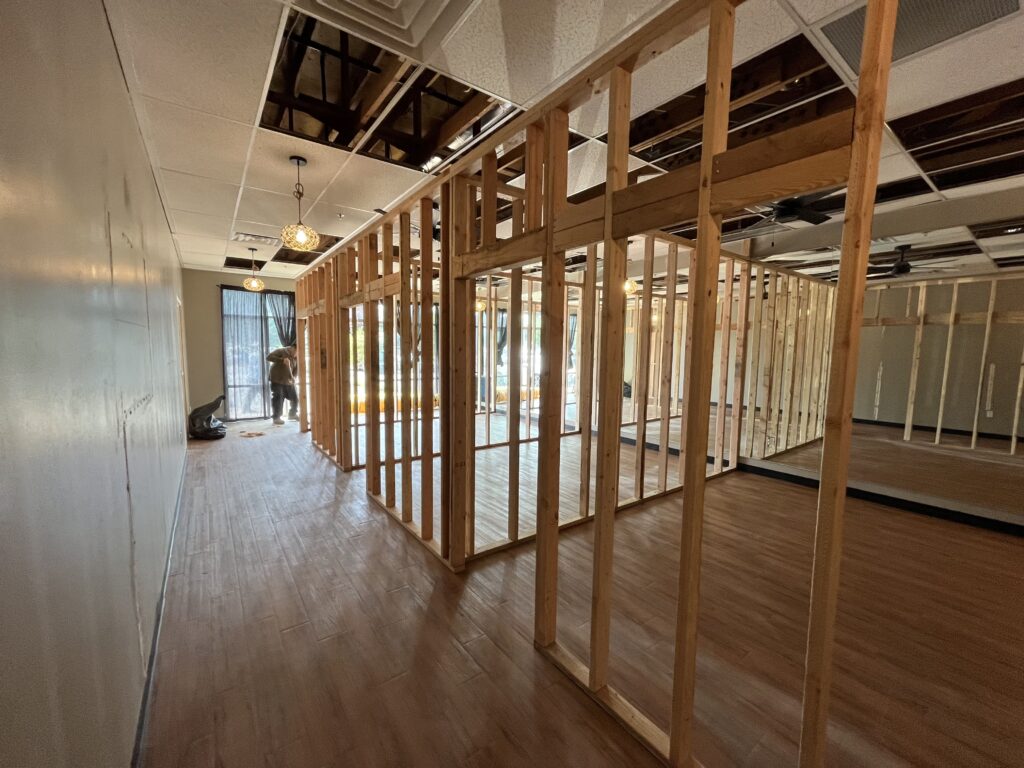
Can You Live in a House During Remodeling?
Yes, depending on the project.
There is no single answer that applies to every renovation. Staying home during renovation is generally more manageable when construction can be separated from the areas your household needs every day.
For example, remodeling one bathroom in a home with another functioning bathroom creates a very different living situation from renovating the only bathroom in the house. Similarly, a project confined to one floor may be easier to work around than construction affecting the kitchen, bedrooms, bathrooms, and major utilities at the same time.
Before deciding whether to remain in your home, consider several practical questions:
- Which areas of the house will be under construction?
- Will you still have access to a functioning kitchen and bathroom?
- Will electricity, water, heating, or other utilities need to be interrupted?
- Can construction areas be safely separated from occupied spaces?
- How much dust and noise should you expect?
- Are there children, pets, older adults, or other household members whose needs should be considered?
- How long will the most disruptive phases of construction last?
- Will you have a safe and practical route into and through the home?
Answering these questions during preconstruction can help determine whether remodeling while living in the house makes sense for your household.
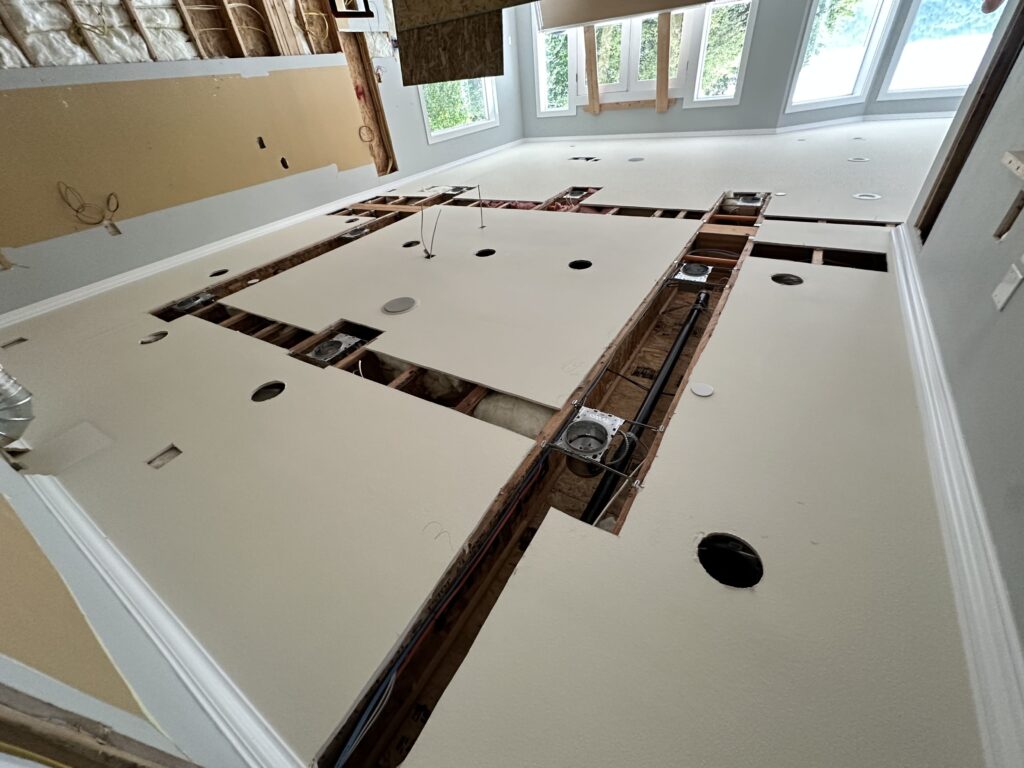
Consider the Scope and Location of the Remodel
Project scope is one of the biggest factors in determining whether you can comfortably remain at home.
A renovation contained to a specific room or section of the house may allow the contractor to establish a controlled work area while leaving the rest of the home available.
As the scope expands, maintaining that separation can become more difficult.
Kitchen Remodeling
Living without a fully functioning kitchen can significantly affect your daily routine. Depending on the project, you may need to plan for temporary food preparation and storage elsewhere in the home.
Consider how long the kitchen will be unavailable and whether appliances, sinks, countertops, or adjacent spaces will be affected.
Bathroom Remodeling
If your home has multiple bathrooms and only one is being renovated, staying home may be relatively manageable.
If the project affects your only usable bathroom, however, remaining in the house may become impractical during certain phases of work.
Whole-Home Remodeling
A whole-home remodel can affect several living areas simultaneously or progress through the home in phases.
If you plan on living at home during a remodel of this scale, discuss which rooms will remain accessible at each stage and how construction zones will shift as work progresses.
Transparent Construction LLC provides full-home remodeling and renovation services as part of its residential construction work, making early planning especially important when a project affects multiple areas of an occupied home.
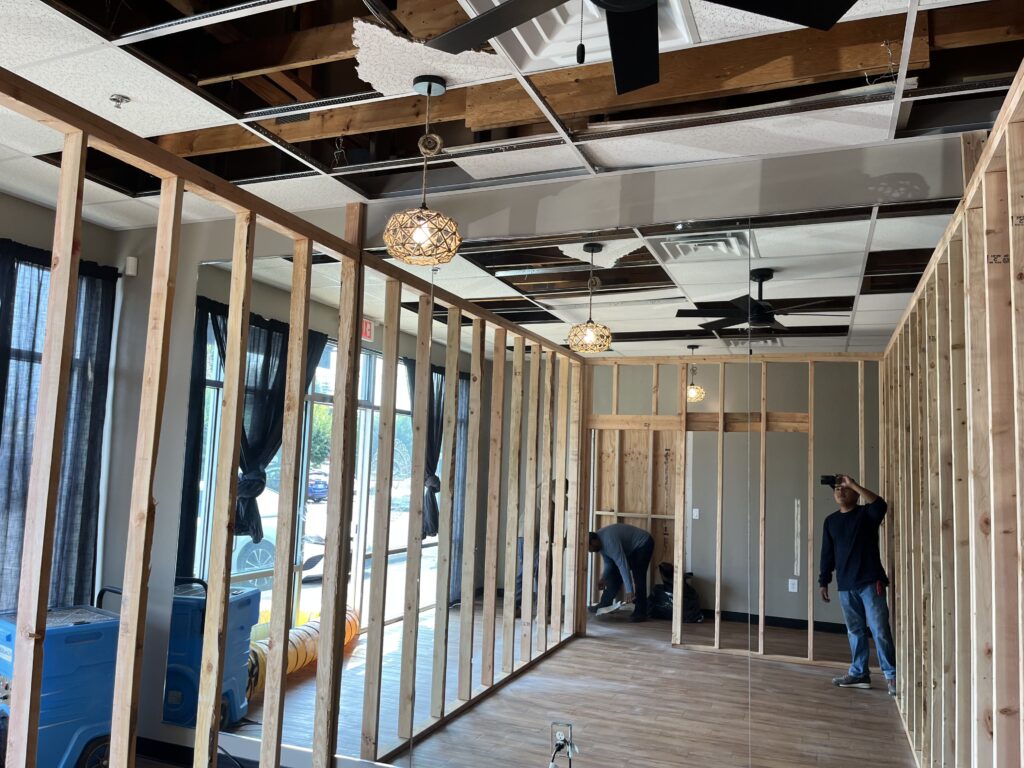
Think About Dust, Noise, and Daily Disruption
Even a carefully managed construction project changes how a home functions temporarily.
Demolition, cutting, drilling, sanding, material deliveries, trade work, and equipment can create noise and dust. Some phases will naturally be more disruptive than others.
For occupied renovations, Transparent Construction LLC can develop a phased construction plan that may include:
- Dust and floor protection
- Temporary barriers
- Controlled work areas
- Air-filtration measures
- Planned utility interruptions
- Safe access routes
- Coordination around the household’s schedule
These measures can help manage disruption, but they do not make an active construction site identical to normal living conditions.
Homeowners should have realistic expectations about what everyday life may look like while work is underway.
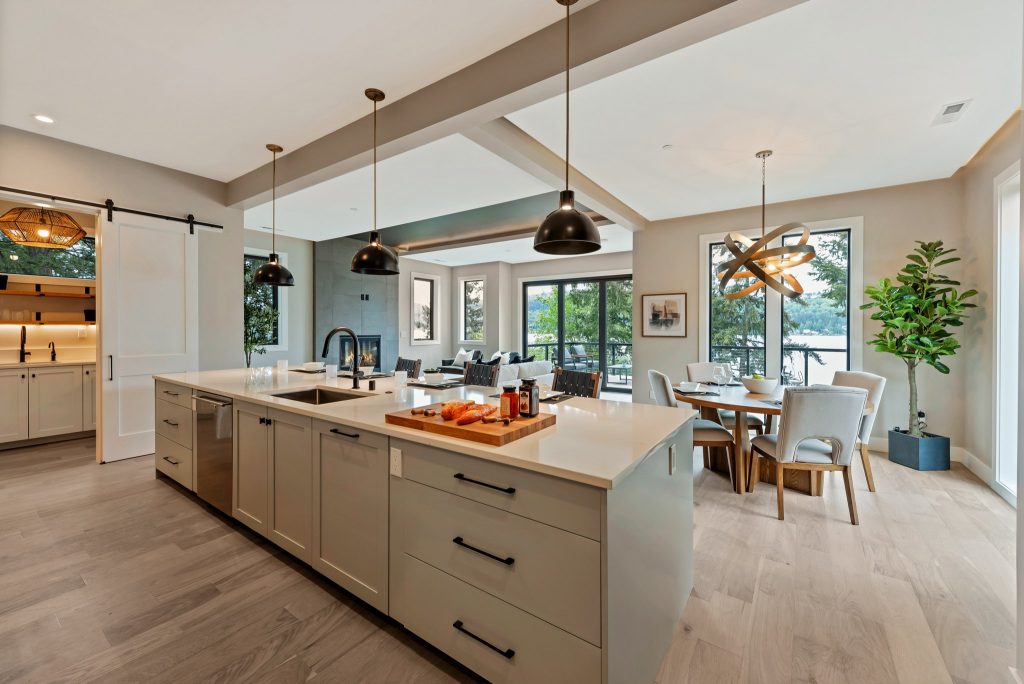
Plan for Kitchen, Bathroom, and Utility Access
Before deciding to live in your house during remodeling, identify the essential services your household cannot reasonably function without.
These may include:
- Running water
- Electricity
- Heating
- A functioning bathroom
- Food preparation and storage
- Laundry facilities
- Safe entrances and exits
Construction may require temporary interruptions to some utilities. The duration and frequency of those interruptions depend on the work being performed and existing site conditions.
Ask about anticipated disruptions during preconstruction so you can plan around them whenever possible.
For example, a short planned interruption is very different from a project phase that leaves a critical part of the home unavailable for an extended period.
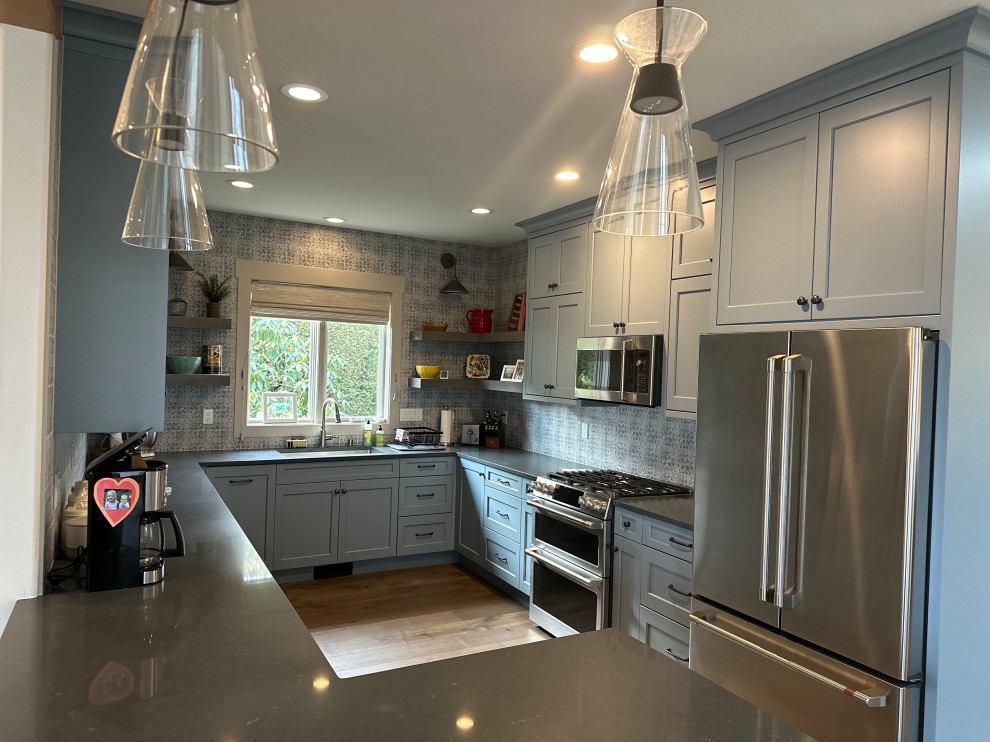
Safety Should Guide the Decision
Convenience matters, but safety should be the primary consideration.
Construction areas may contain tools, equipment, temporary openings, exposed building components, materials, cords, debris, or other conditions that are not part of a home’s normal environment.
A defined separation between occupied and active construction areas can therefore be important.
Homeowners should understand:
- Which areas are off-limits
- How workers will enter and exit
- Where materials and equipment will be located
- Which routes household members should use
- When utilities may be unavailable
- Whether particular phases of work require occupants to leave temporarily
Some conditions require evaluation by qualified contractors or other appropriate professionals. Environmental concerns, hazardous materials, structural conditions, and similar issues should not be assumed safe simply because another portion of the house remains accessible.
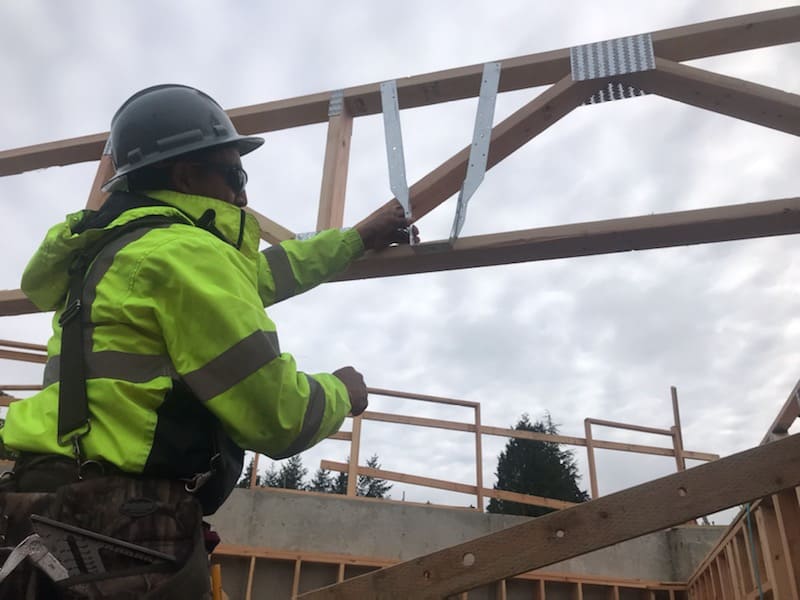
Consider Children and Pets
Children and pets can make staying home during renovation more complicated.
A barrier that an adult understands not to cross may not provide the same level of control for a young child or pet. Noise, unfamiliar workers, open doors, deliveries, and changes to normal routines may also create additional challenges.
If children or pets will remain in the home, discuss how construction areas and access routes will be managed.
You may also decide that temporary relocation makes sense during particularly disruptive stages even if you plan to occupy the home during most of the project.
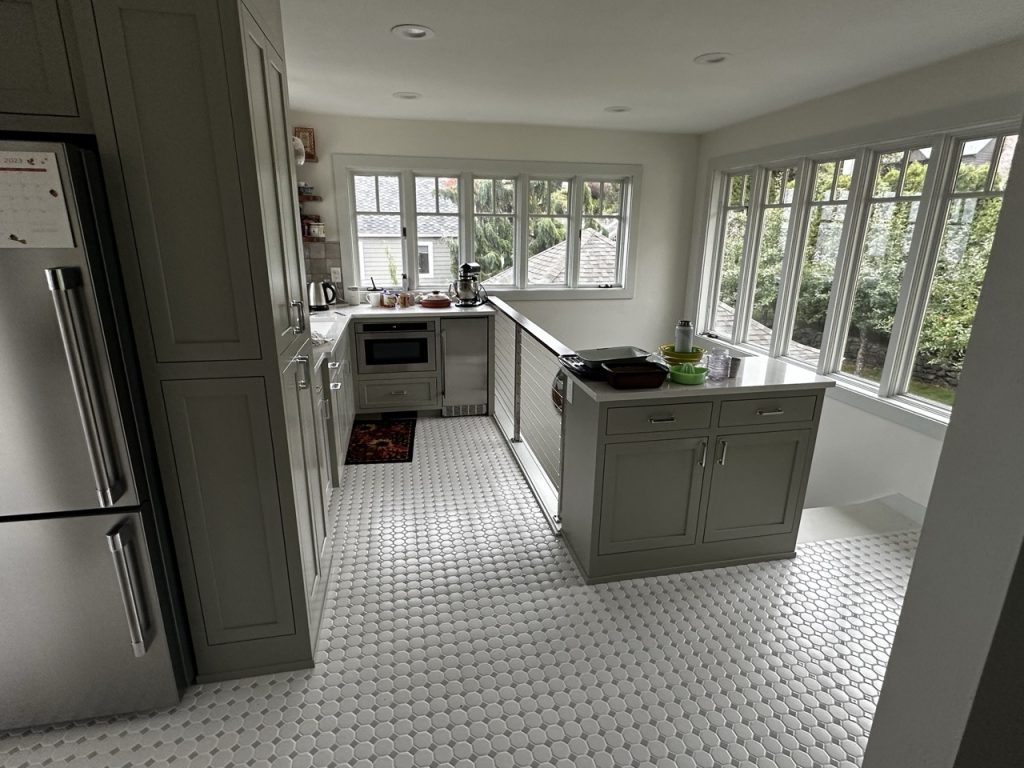
Ask Whether the Remodel Can Be Completed in Phases
Phasing can sometimes make an occupied renovation more practical.
Rather than having every part of the home under construction simultaneously, work may be organized into controlled areas or stages when the project allows it.
A phased approach could help maintain access to essential spaces while another portion of the home is being renovated.
However, phasing is not automatically appropriate for every project. Construction sequencing depends on scope, design, trade coordination, existing conditions, inspections, materials, and the relationships between different areas of work.
Discuss these considerations with your contractor before assuming that a particular room or utility will remain available throughout construction.
How Long Will You Be Living With Construction?
Duration matters almost as much as scope.A household may be comfortable adapting to temporary disruption for a short period but find the same arrangement difficult over a longer renovation.
Construction schedules can also be affected by variables such as:
- Project scope
- Design decisions
- Permitting
- Engineering when required
- Material availability and lead times
- Existing conditions discovered during construction
- Trade coordination
- Inspections
- Approved project changes
- Site conditions
Instead of asking only, “Can we stay here?”, consider asking, “What will daily life look like during each stage of the project, and for approximately how long?”
That gives you a more useful basis for deciding whether remaining home is realistic.
When Should You Consider Temporarily Relocating?
Temporary relocation may be worth considering when the work affects too many of the home’s essential functions or creates conditions that are difficult to safely separate from occupied spaces.
Examples may include:
- Extensive structural work
- Whole-house renovations with limited usable living space
- Hazardous-material remediation
- Prolonged utility shutdowns
- Loss of the home’s only functioning bathroom
- Major work affecting primary entrances or safe access
- Construction that cannot be effectively separated from occupied areas
Relocating does not necessarily mean leaving for the entire project. Depending on the construction plan, you may only need alternative accommodations during specific phases.
The appropriate decision depends on the actual project conditions and should be discussed during preconstruction.
Planning Ahead Makes Occupied Remodeling Easier
If you are considering remodeling while living in the house, discuss occupancy before construction starts rather than treating it as a logistical detail later.
Ask your contractor to explain the expected construction sequence, work zones, access requirements, utility interruptions, and particularly disruptive phases.
You should also discuss your household’s normal schedule. Working from home, school routines, pets, childcare, mobility considerations, and other day-to-day needs can influence how practical an occupied renovation will be.
Transparent Construction LLC emphasizes upfront communication and collaboration throughout its construction process. Planning these issues early can help homeowners understand what to expect and make informed decisions about where they will live during construction.

Plan for How You Will Live During Your Remodel
Living at home during a remodel can be practical, but it should be part of the construction planning process from the beginning.
Understanding the work zones, construction sequence, utility interruptions, dust and noise, safe access, and availability of essential living spaces can help you determine whether staying home is realistic or whether temporary relocation would make certain stages easier.
Transparent Construction LLC provides residential remodeling, full-home renovation, new construction, and commercial renovation services in Tacoma, Gig Harbor, Bonney Lake, and surrounding areas. The company’s approach emphasizes detailed pricing, upfront communication, collaboration, technical execution, and transparency throughout the construction process.
If you are planning a remodel, contact Transparent Construction LLC to discuss your project and the practical considerations that should be addressed before construction begins.
Frequently Asked Questions
Is it safe to live in a house while it is being remodeled?
It can be, depending on the scope and site conditions. Construction zones should be appropriately controlled, and homeowners need to understand safe access routes and which areas are off-limits. Certain structural, environmental, or hazardous-material conditions may require additional professional evaluation or temporary relocation.
Can I stay home during a kitchen remodel?
Possibly. Consider whether you can create a practical temporary arrangement for food preparation, refrigeration, cleaning, and meals. The answer also depends on how the kitchen renovation affects plumbing, electricity, access, and surrounding rooms.
Can I stay home during a whole-house renovation?
Sometimes, but whole-home remodeling is generally more complicated to live through because several essential areas may be affected. A phased construction plan may make occupancy more practical in some projects, while extensive structural work or prolonged loss of essential utilities may make temporary relocation a better option.
How do contractors control dust during an occupied remodel?
Depending on the project, occupied renovation planning may include temporary barriers, controlled work areas, dust and floor protection, and air-filtration measures. The appropriate measures depend on the work and conditions of the property.
What should I do with pets during remodeling?
Pets should be kept away from active construction areas. Consider noise, open doors, workers entering and leaving, deliveries, and changes to normal access. Depending on your pet and the project, arranging a quieter temporary location during particularly disruptive phases may be practical.
Do I need to move out for the entire remodel?
Not necessarily. Some homeowners can remain home throughout construction, while others may only need temporary accommodations during specific phases. The decision should be based on project scope, safety, essential utility access, construction sequencing, and your household’s needs.
Ready to Start Your Next Project?
Whether you’re planning a renovation, repair, or new construction project, our team is here to help. Contact us today to discuss your project and learn how we can bring your vision to life.