Table of Contents
ToggleA tenant improvement (TI) is a remodel or alteration of an existing commercial space to fit the needs of a new or current tenant, such as new walls, lighting, restrooms, or HVAC changes. In Washington, a TI needs a building permit when it changes the layout, doors, structure, or the use of the space; cosmetic finishes like paint and flooring usually do not (City of Vancouver, WA). Who pays is set in the lease, often through a tenant improvement allowance from the landlord.
What does a tenant improvement include?
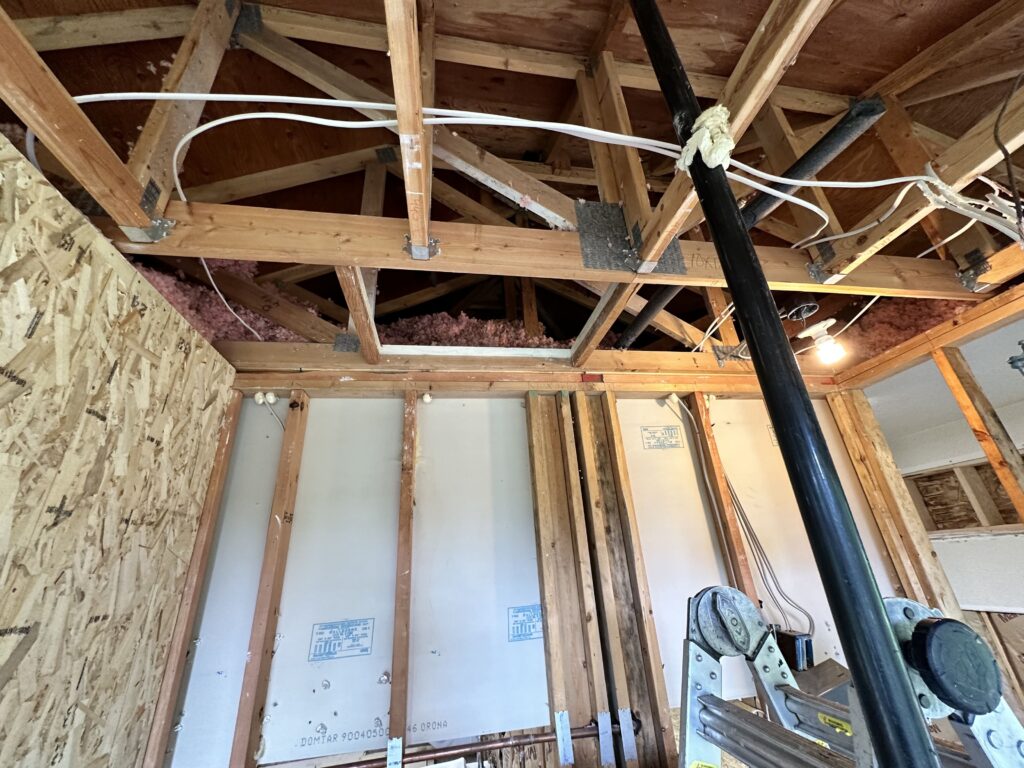
A tenant improvement includes any interior build-out that turns a commercial space into a layout a specific business can use. Common TI work includes new or moved walls, ceilings, lighting, electrical, plumbing for restrooms or break rooms, HVAC changes, flooring, and finishes.
TIs range from a light refresh of a second-generation office to a full build-out of a bare shell. Our Commercial Remodeling work covers office, retail, and hospitality spaces.
Do I need a permit for a tenant improvement in Tacoma?
Most tenant improvements need a building permit, especially when they change walls, doors, structure, or the use of the space. Washington cities require permits for changes to layout, doors and windows, occupancy or use, and structural elements, with separate permits for fire sprinkler or alarm work (City of Vancouver, WA).
In Tacoma, permits go through Tacoma Planning and Development Services. The City of Tacoma reports a median first review of about 3.0 weeks for commercial alterations, though correction cycles add time. See How Long Does a Design and Construction Project Take in Tacoma, WA? for each phase.
What codes apply to a commercial tenant improvement?
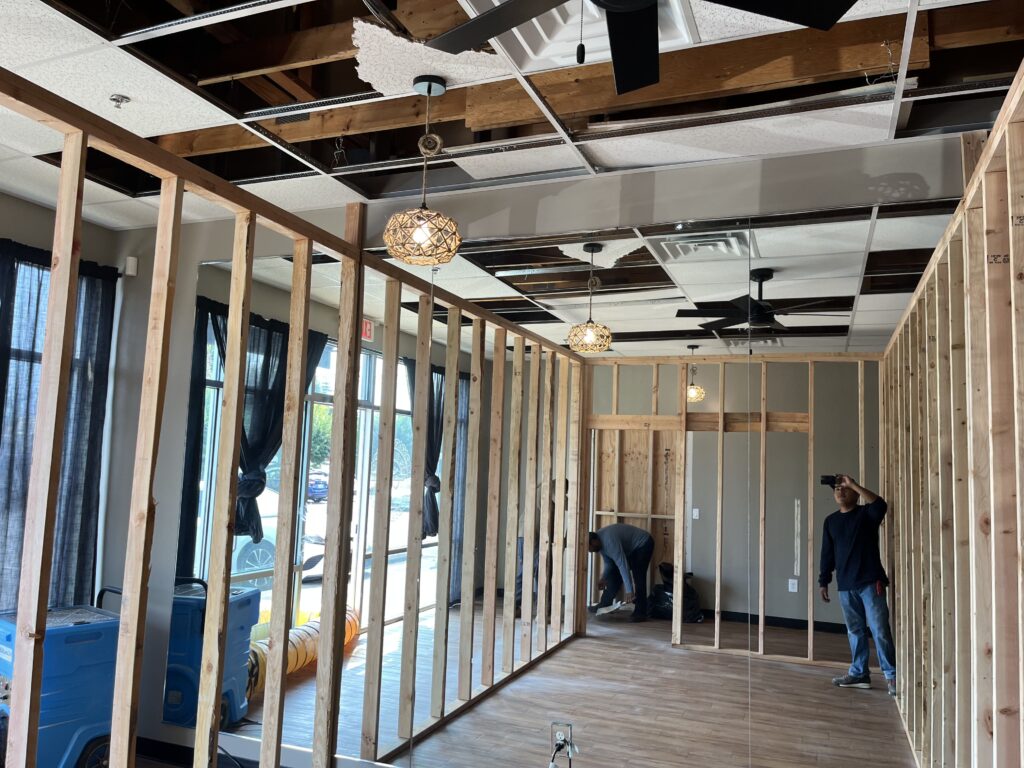
Commercial TIs in Washington must meet the state building, fire, and energy codes in effect when the permit is filed. The 2021 Washington State Energy Code–Commercial took effect statewide on March 15, 2024, and applies to altered lighting, HVAC, and envelope work (Washington State Building Code Council).
A change of use, such as office to restaurant, can bring added requirements for exits, ventilation, plumbing fixtures, and fire protection. Confirm the planned use before signing a lease.
Who pays for tenant improvements?
The lease decides who pays. Many landlords offer a tenant improvement allowance, a set amount toward build-out, and the tenant covers costs above it. Some leases have the landlord deliver a finished space, and others leave the full build-out to the tenant.
Get a construction estimate before you sign, so you know whether the allowance will cover the work. Our guide How Much Does a Commercial Construction or Remodeling Project Cost in Tacoma, WA? explains the cost drivers.
How do I budget a tenant improvement without surprise costs?
Ask for a line-item estimate that lists inclusions, exclusions, allowances, and known risks, such as ADA path-of-travel work or aging building systems. Washington also requires contractors to collect sales tax on the total contract price for custom construction (Washington Department of Revenue).
See What Should Be Included in a Construction or Remodeling Estimate? and What Homeowners Should Expect During Construction: Change Orders and Unforeseen Conditions, which apply to commercial owners too. Our Pre-Construction Consulting can review a TI scope before lease signing.
Can a business stay open during a tenant improvement?
Sometimes. Work can often be phased, done after hours, or separated with temporary walls so part of the space stays in use. The plan depends on noise, dust, utility shutoffs, fire exits, and access for customers and staff.
Raise this during planning, because phasing and after-hours work change the schedule and cost. For start-date planning, read When Can My Construction or Remodeling Project Start?
Tenant improvement vs. base building work: what is the difference?
Base building work is the landlord’s shell; tenant improvements are the interior work inside a specific suite.| Factor | Base building (core and shell) | Tenant improvement |
| Typical scope | Structure, roof, exterior, main utilities, common areas | Interior walls, ceilings, lighting, restrooms, finishes |
| Usually paid by | Landlord | Tenant, landlord, or both through a TI allowance |
| Permit | Building permit for the shell | Separate TI building permit |
| ADA path of travel | Common areas | Triggered when primary function areas are altered |
| Timing | Before leasing | After a lease is signed |
Ready to plan your tenant improvement?
Transparent Construction LLC provides tenant improvement construction in Tacoma, Gig Harbor, and Bonney Lake, coordinating subcontractors, permits, and inspections. Owners and tenants who want independent oversight can use our Owner’s Representative & Project Oversight service. See completed work in Our Portfolio.
Contact Transparent Construction LLC or call 253-339-6117 to schedule a consultation.
Frequently asked questions
What is a TI allowance?
A TI allowance is money a landlord provides toward building out a tenant’s space, set in the lease. Costs above the allowance are usually paid by the tenant.
How long does a tenant improvement take?
It depends on scope, permit review, material lead times, and whether the space stays occupied. The City of Tacoma reports a median first review of about 3.0 weeks for commercial alterations, before construction begins.
Does a tenant improvement need to meet ADA requirements?
Usually. Alterations that affect a primary function area require an accessible path of travel unless the cost exceeds 20% of the alteration cost to that area, under 28 CFR 36.403.
Is paint and new flooring a tenant improvement that needs a permit?
Cosmetic work like painting and flooring usually does not need a building permit. Changes to walls, doors, structure, systems, or the use of the space usually do.
Should I get a contractor estimate before signing a commercial lease?
Yes. An estimate before signing shows whether the TI allowance covers the work and flags code or accessibility costs that could change the deal.
Ready to Start Your Next Project?
Whether you’re planning a renovation, repair, or new construction project, our team is here to help. Contact us today to discuss your project and learn how we can bring your vision to life.